Some things can’t be streamed. They have to be experienced.

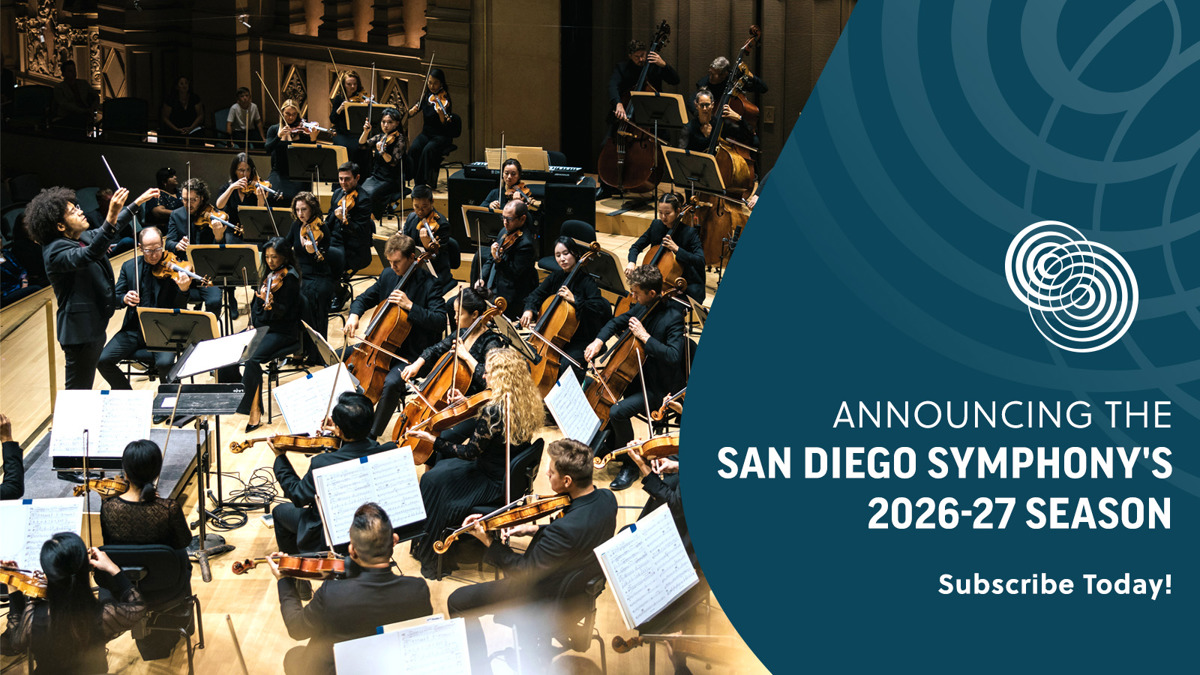
We’re excited to announce our 2026-27 season at Jacobs Music Center. Programs of orchestral monuments, guest soloists’ show-stopping performances, and an exploration of a world of music of shimmering color and intoxicating rhythms are designed to share deeply human storytelling through sound.
Works range from heroic to fantastical, dramatic to atmospheric. Audiences will take sonic journeys to landscapes and waterscapes around the world – North Atlantic seas, Venezuelan plains, Nordic vistas, American prairies, and West Coast Monarch migration paths – and into the dances, songs, stories and cultures of the world, expressed through music.

RETURNING SUBSCRIBERS! CLICK OR TAP HERE TO RENEW YOUR SEASON PACKAGE!

Follow this link for an interactive Season 2026-27 Brochure (Coming Soon)

CHECK OUT ALL OF THE SERIES CONCERTS BELOW...JUST CLICK OR TAP TO UNFOLD!

AVAILABLE FIXED-CONCERT PACKAGES:

Our prime "begin your weekend" series of 5 Friday nights of classical music at Jacobs Music Center, including Mahler's "Tragic" Symphony No. 6, Sibelius' Symphony No. 2, Elgar's Cello Concerto, Debussy's La mer and more!

Voices of Destiny: Liszt’s Concerto and Mahler’s 6th

Friday, November 20, 7:30 PM

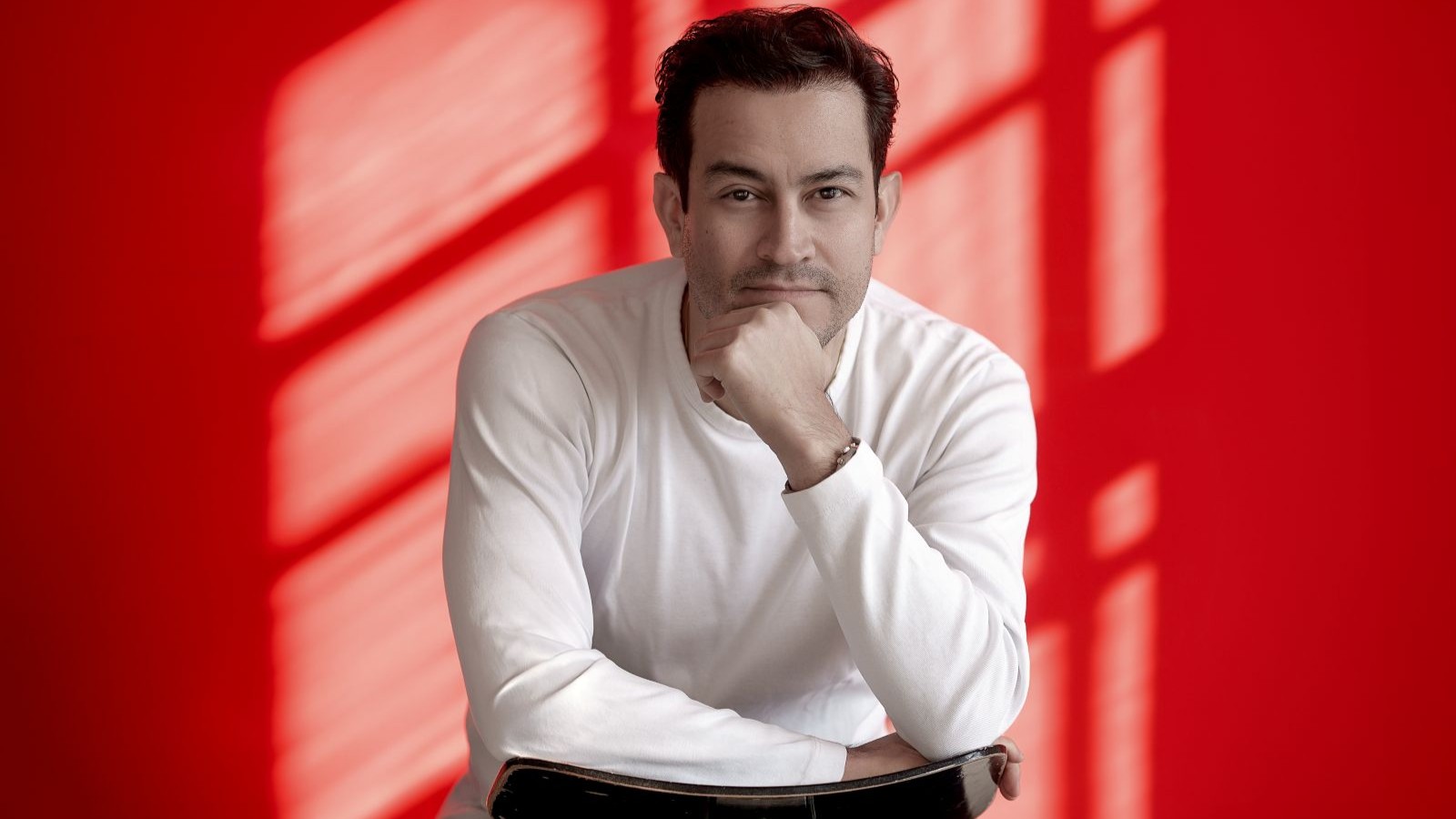
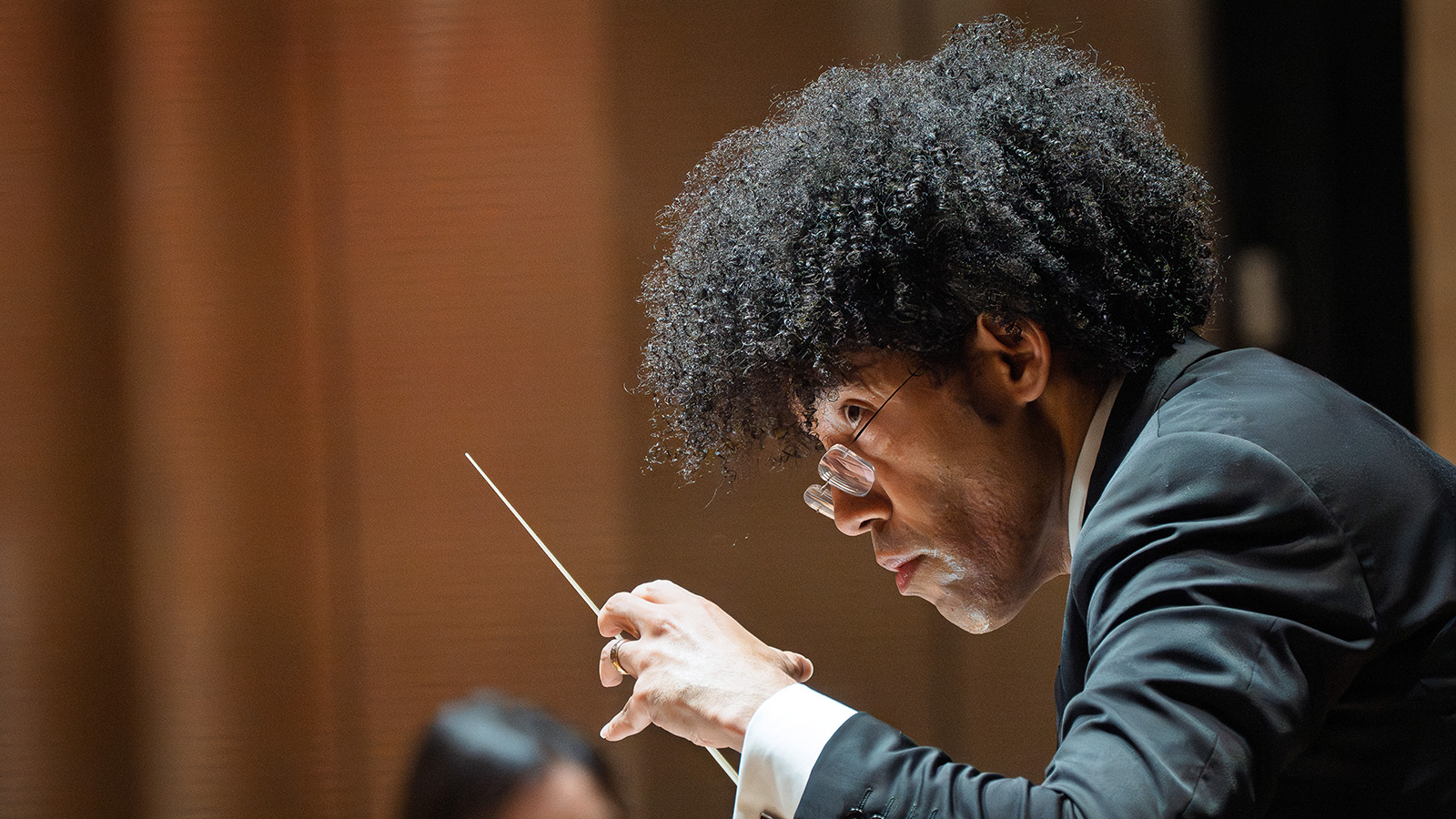
Rafael Payare, conductor
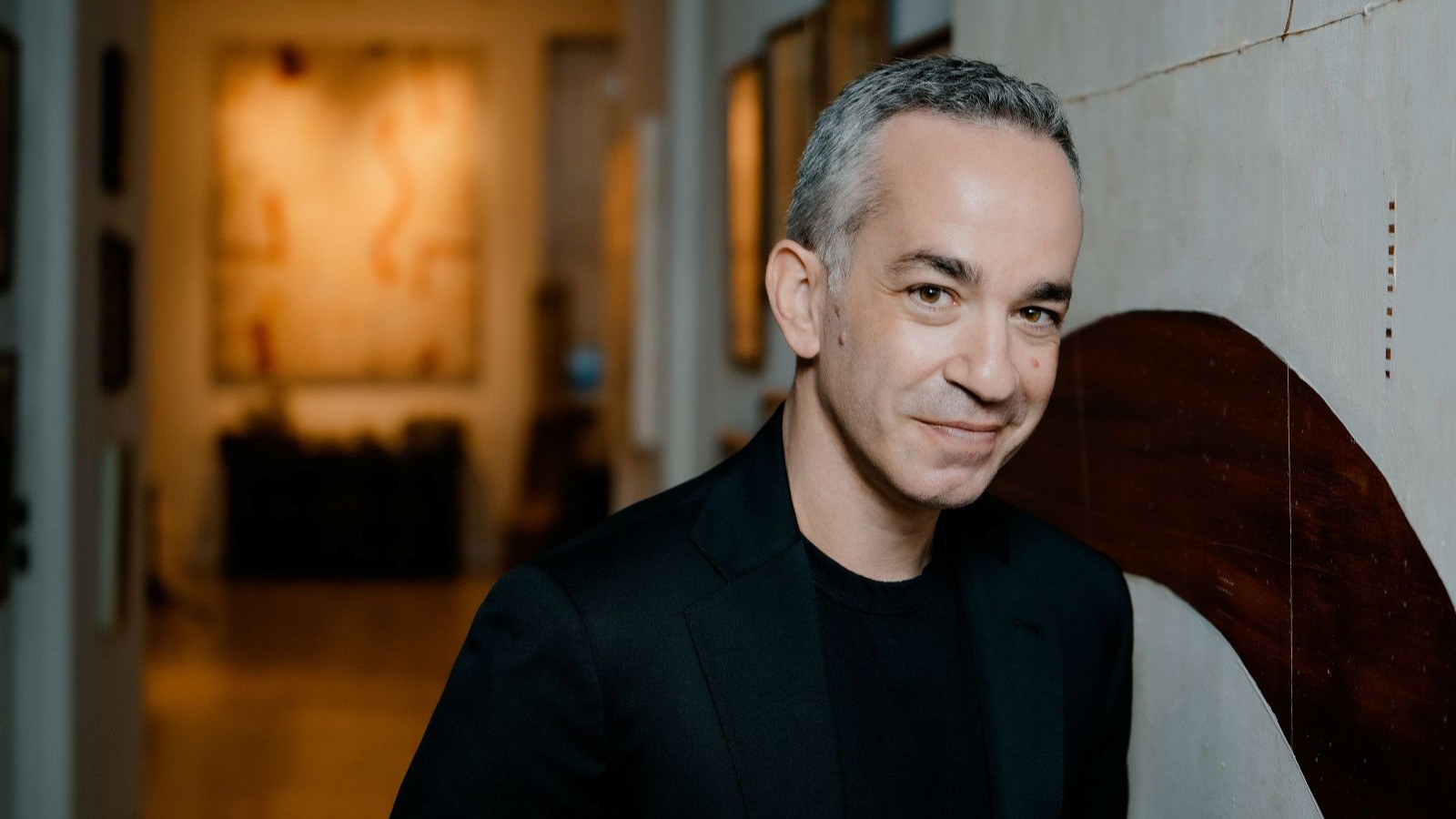
Inon Barnatan, piano

LISZT: Piano Concerto No. 1 in E-flat Major
MAHLER: Symphony No. 6 in A minor, “Tragic”

San Diego favorites Rafael Payare and pianist Inon Barnatan join forces for two Romantic masterpieces that confront the power of Fate. In an era when science was reshaping humanity’s understanding of the universe, artists like Liszt and Mahler turned inward, exploring the mystery of destiny and the courage required to face it.

Franz Liszt’s Piano Concerto No. 1 unfolds like an opera without words – its soloist cast as the hero in a drama of triumph and struggle. Once the most celebrated virtuoso in Europe, Liszt used dazzling technique and vivid theatricality to create music that pushed the piano to visionary extremes. Barnatan embodies the concerto’s hero, alternately bold and lyrical amid waves of orchestral color.

Written half a century later, Gustav Mahler’s Symphony No. 6 expands this Romantic struggle into an epic. Quoting Liszt’s concerto near its opening, Mahler acknowledges his predecessor while plunging deeper into questions of destiny, mortality, and meaning. Scored for colossal forces – complete with the infamous “hammer blows of fate” – the symphony unfolds as an immense human tragedy. Mahler’s “Tragic” is both homage and prophecy: a portrait of heroism facing a collapsing world and a moving testament to the resilience of the human spirit.

Youthful Visions: Carreño, Prokofiev & Sibelius

Friday, December 4, 7:30 PM

Diego Matheuz, conductor
Aristo Sham, piano

CARREÑO: Margariteña
PROKOFIEV: Piano Concerto No. 2 in G minor, Op. 16
SIBELIUS: Symphony No. 2 in D Major, Op. 43

December opens with a captivating program of innovation and imagination, featuring music by Carreño, Prokofiev, and Sibelius – three composers who captured the spirit of change at the dawn of the 20th century.

Inocente Carreño’s Margariteña, a radiant “symphonic gloss” from the 1950s, celebrates the Venezuelan composer’s Caribbean homeland. Drawing on popular melodies, including his beloved song “Margarita es una lágrima,” the piece glows with the warmth and rhythm of island life.

Next, pianist Aristo Sham performs Prokofiev’s electrifying Piano Concerto No. 2, written when the composer was just 21. Its explosive rhythms, haunting lyricism, and sheer virtuosity shocked early audiences but revealed a bold new musical language. Reconstructed from memory after the original score was destroyed, the concerto stands among Prokofiev’s most thrilling creations.

The concert concludes with Sibelius’s Symphony No. 2, a defining work in the Finnish composer’s evolution from Romantic opulence to taut modern mastery. Built from fragments that gradually coalesce into sweeping melodies, it mirrors the growth of an idea – from uncertainty to radiant triumph. Its closing pages, among the most inspiring in all symphonic music, affirm the power of persistence, transformation, and hope.

Alisa Weilerstein Plays Elgar’s Cello Concerto

Friday, January 29, 7:30 PM

Rafael Payare, conductor
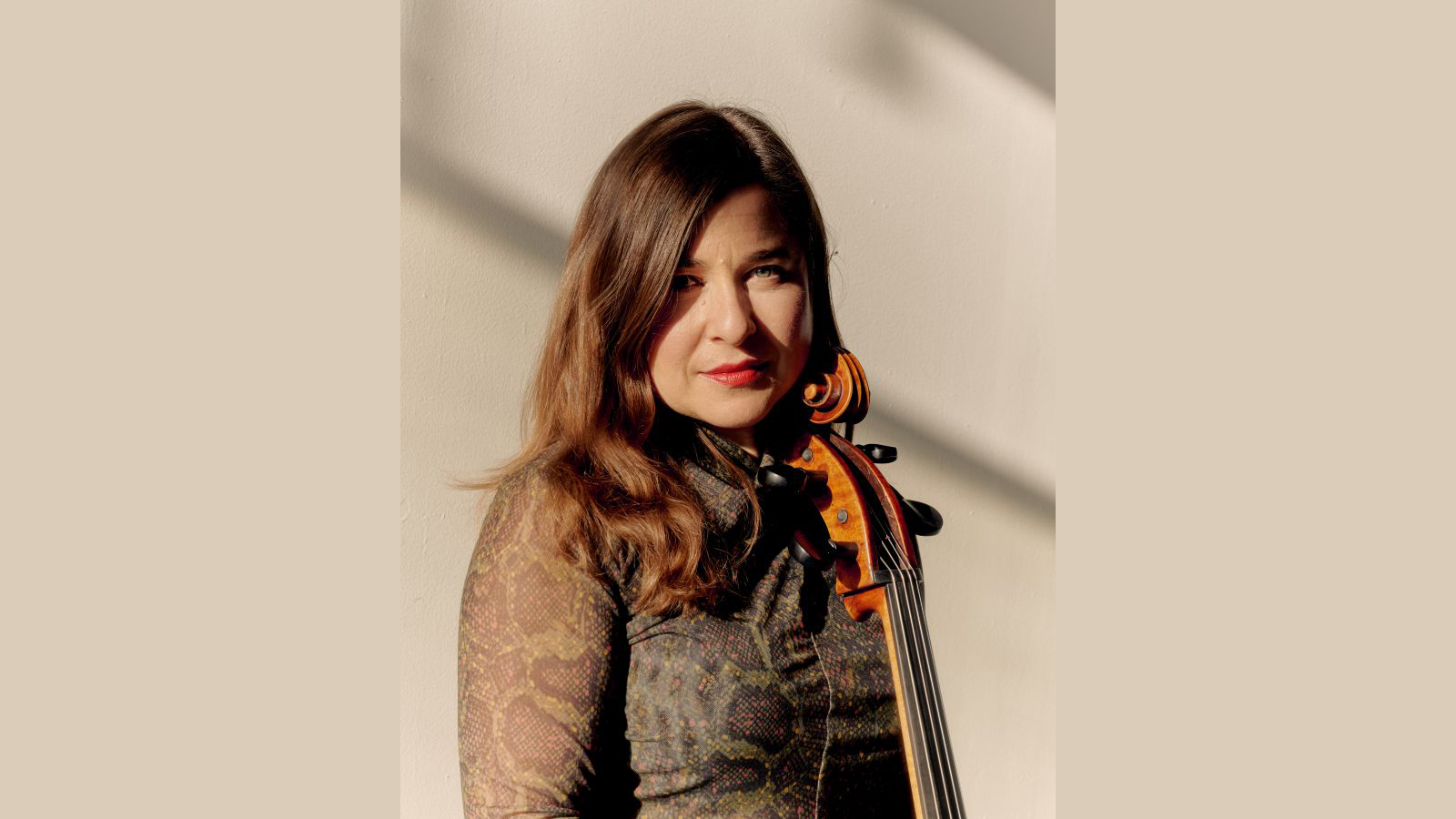
Alisa Weilerstein, cello

ELGAR: Cello Concerto in E minor, Op. 85
BERLIOZ: Symphonie fantastique, Op. 14

This concert pairs two masterpieces written at opposite ends of their composers’ careers: Elgar’s elegiac Cello Concerto and Berlioz’s audacious Symphonie fantastique.

Edward Elgar’s concerto, composed in 1919 as the shadow of World War I lifted, stands as his final great work. Gone is the imperial grandeur of his earlier music; in its place is intimacy and reflection. Written in the quiet of the English countryside – where distant gunfire from France was still faintly audible – the concerto mourns loss yet affirms the power of music to heal. Today, it remains one of the most beloved works in the cello repertoire, and Alisa Weilerstein continues its long tradition of great interpreters.

Nearly a century earlier, a fearless young Hector Berlioz shocked Paris with his Symphonie fantastique (1830). This revolutionary work broke every rule of symphonic form, telling the feverish, semi autobiographical tale of a tormented artist haunted by love, opium dreams, and visions of his own execution and demonic revels. With astonishing imagination and orchestral innovation, Berlioz expanded the possibilities of musical storytelling.

Together, these two works rise from personal passion – one inward and elegiac, the other wild and visionary – revealing music’s ability to express both the deepest grief and the most fantastic imagination.

Music of Sea and Story: La mer and Shéhérazade

Friday, March 5, 7:30 PM

Edward Gardner, conductor
Sasha Cooke, mezzo-soprano

MENDELSSOHN: Calm Sea and Prosperous Voyage, Op. 27
TCHAIKOVSKY: The Tempest Fantasy-Overture, Op. 18
RAVEL: Shéhérazade
DEBUSSY: La mer

British conductor Edward Gardner leads a vivid, ocean themed program exploring humanity’s eternal fascination with the sea – its stillness, storms, and mystery.

Mendelssohn’s youthful concert overture Calm Sea and Prosperous Voyage, inspired by Goethe’s poem, captures the peril of a ship becalmed with no wind to move it – an image of both physical and spiritual stagnation. A breath of air stirs, the sails fill, and the music surges with joyful momentum toward open waters.

Tchaikovsky’s The Tempest, after Shakespeare, transforms Prospero’s magical island into a world of tempest and tenderness, combining tempestuous storms with luminous love music for Miranda and Ferdinand before peace is restored.

Ravel’s sumptuous Shéhérazade, based on orientalist poems, evokes exotic voyages and sensual dreamscapes through glowing orchestral color and the voice’s seductive allure.

Debussy’s La mer, perhaps the most famous musical portrait of the sea, closes the program. Its three movements – From Dawn to Noon on the Sea, Play of the Waves, and Dialogue of the Wind and the Sea – trace the ocean’s transformations from calm to tempest and serenity again. For Debussy, the sea becomes both natural and human – vast, unpredictable, and deeply emotional.

Ode to Humanity: Beethoven’s 9th and López’s Monarch

Friday, June 4, 7:30 PM

Rafael Payare, conductor
Tasha Hokuao Koontz, soprano
Nikola Printz, mezzo-soprano
Viktor Antipenko, tenor
Hansung Yoo, baritone

JIMMY LÓPEZ: Symphony No. 6, Monarch
BEETHOVEN: Symphony No. 9 in D minor, Op. 125, “Choral”

Two symphonies – one newly written, one timeless – come together in a celebration of nature, humanity, and hope.

Peruvian born composer and San Diego Symphony Composer in Residence Jimmy López draws inspiration from the natural world that unites the Americas along the Pacific coast. In his Symphony No. 6, he turns to one of nature’s most wondrous phenomena: the migration of monarch butterflies. López transforms their journey into sound—a vivid meditation on transformation, endurance, and the fragile harmony between life and environment.

The program culminates with Beethoven’s Symphony No. 9, a work that forever changed the symphonic form with its visionary finale setting of Friedrich Schiller’s Ode to Joy. Written in defiance of personal struggle, the work transcends boundaries of time and culture, uniting orchestra, chorus, and audience in a single voice of exaltation. Its words and music – celebrating joy, brotherhood, and freedom – remain an anthem of shared humanity.

Together, these two symphonies embody an unbroken continuum: López’s reflection on nature’s resilience and Beethoven’s immortal affirmation of the human spirit. In both, we are reminded of music’s power to lift us beyond division and reconnect us to wonder.

Buy Now

Our Friday 11am series returns, with an easy three-pack of eye-opener concerts featuring Ravel's Rapsodie espagnole, Shostakovich's Symphony No. 5, Rachmaninoff's Symphonic Dances and more. Coffee will be served!

Spain Through French Glasses: Ravel and Debussy

Friday, October 16, 11:00 AM

Ludovic Morlot, conductor
Jörgen van Rijen, trombone

DEBUSSY: "Nuages" and "Fêtes" from Nocturnes
JIMMY LÓPEZ: Shift, Concerto for Trombone and Orchestra
RAVEL: Alborada del gracioso
POULENC: Suite from The Does (Les biches)
RAVEL: Rapsodie espagnole

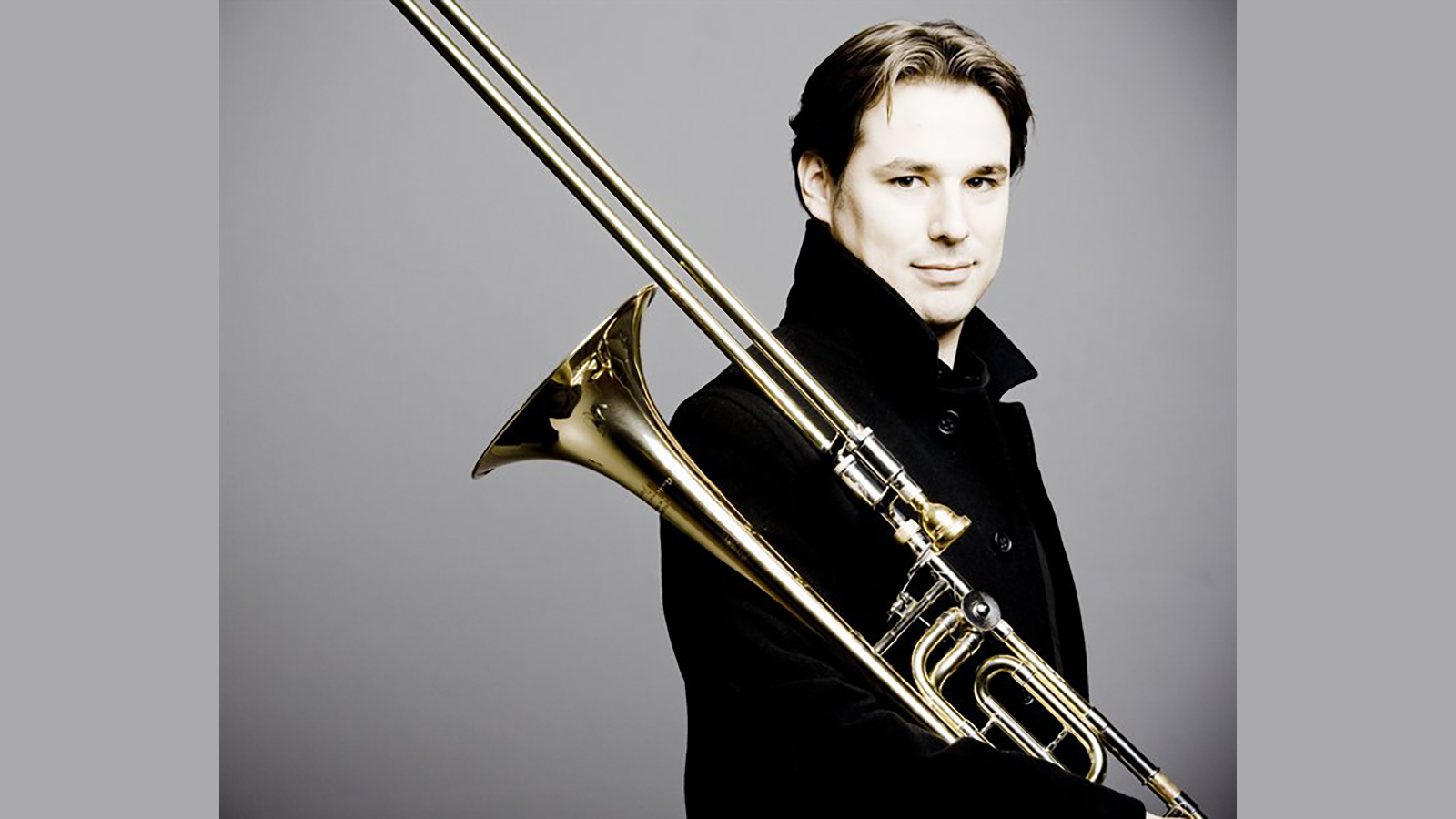
Ludovic Morlot, one of today’s foremost French conductors, leads a program of luminous and inviting French music – works alive with dance rhythms, nocturnal magic, and brilliant color. At its center is Shift, a virtuosic trombone concerto by Composer in Residence Jimmy López. Performed by Jörgen van Rijen and co commissioned by the San Diego, Rotterdam, and San Francisco symphonies, the four movement work explores the elements – Sound, Water, Light and Sonoluminescence, where vibrating sound waves create bubbles that glow with light.

Debussy’s Nocturnes evokes atmospheric scenes inspired by Whistler’s paintings: drifting Clouds and festive Celebrations. Ravel’s dazzling Alborada del Gracioso, steeped in Spanish flair, radiates rhythm and wit, while his earlier Rapsodie espagnole sways between habanera languor and fiery malagueña energy.

Poulenc’s Les biches (The Does) suite captures 1920s Paris at its most spirited – modern women at play, love affairs, and cocktails in chic salons, animated by jazzy exuberance and sly humor.

Together these works celebrate French imagination in all its forms – mystery and sunlight, elegance and daring – culminating in a concert that bridges impressionist beauty, modern brilliance, and vibrant contemporary sound.

Elegy to Exaltation: Ravel, Rota, and Shostakovich

Friday, February 5, 11:00 AM

Andreas Ottensamer, conductor
Julie Phillips, harp

RAVEL: "Rigaudon" from Le Tombeau de Couperin
ROTA: Concerto for Harp
SHOSTAKOVICH: Symphony No. 5 in D minor, Op. 47

Immerse yourself in an evening of luminous melodies and emotional depth as the orchestra presents a program that celebrates elegance, imagination, and resilience. The concert opens with Maurice Ravel’s “Rigaudon” from Le Tombeau de Couperin, a brilliant tribute to 18th century French dance. Its crisp rhythms and buoyant energy capture Ravel’s unmatched craftsmanship and grace.

The mood turns tender and poetic with Nino Rota’s Concerto for Harp and Orchestra, performed by our own Julie Smith Philips, a rarely heard gem by the beloved composer of film scores such as The Godfather. In this work, Rota’s distinctive lyricism and cinematic color take center stage, as the solo harp shimmers over a tapestry of orchestral warmth – by turns playful, nostalgic, and dreamlike.

The evening concludes with the monumental Symphony No. 5 by Dmitri Shostakovich. Written under intense political scrutiny, the symphony moves through haunting introspection, defiant struggle, and ultimately, a cathartic triumph. It remains one of the most powerful and emotionally charged works of the 20th century – an unforgettable testament to music’s ability to speak truth and transcend hardship.

Symphonic Dances: Rachmaninoff, Bernstein and Salonen

Friday, March 26, 11:00 AM

Rafael Payare, conductor
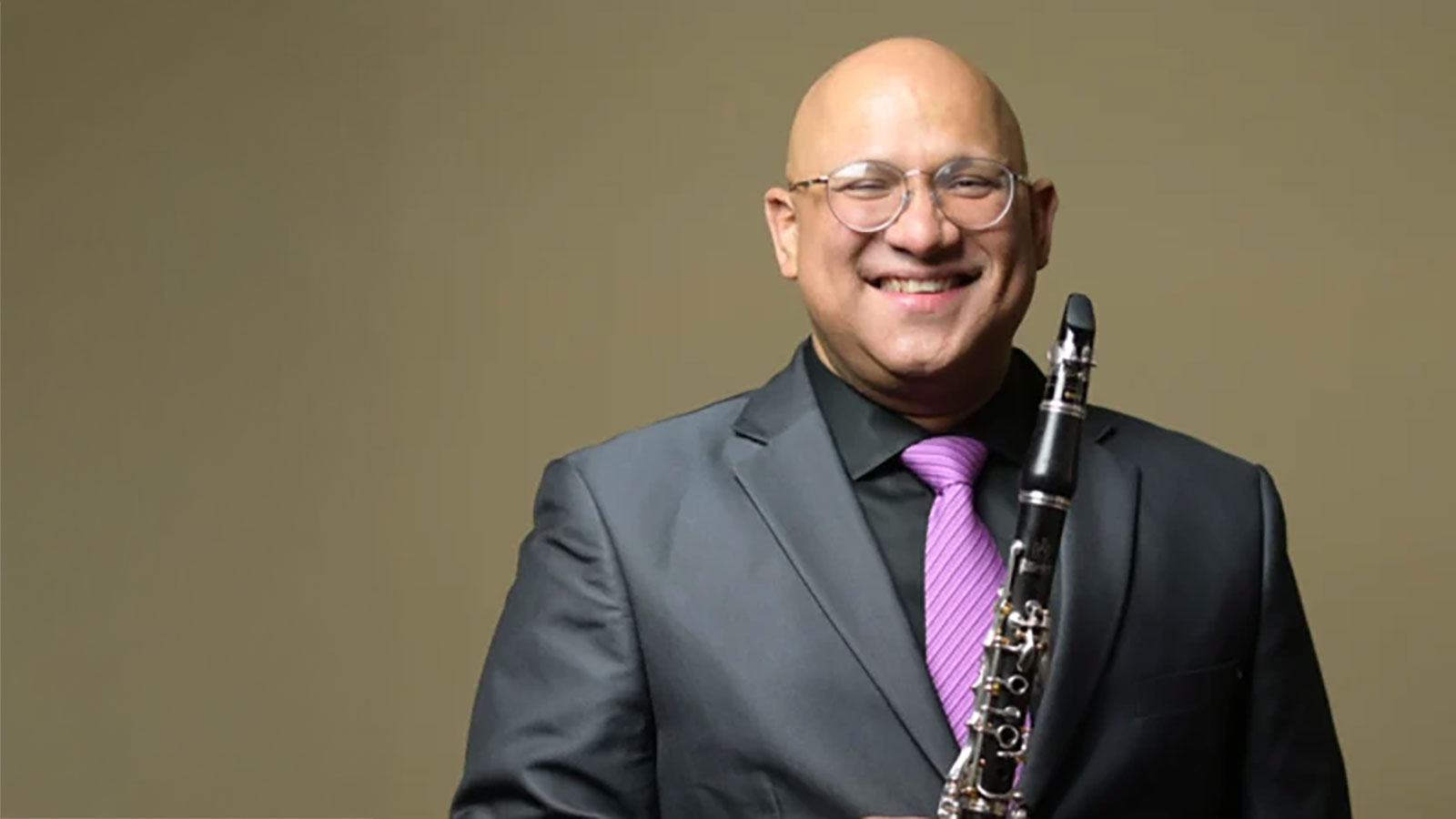
Ricardo Morales, clarinet

ESTÉVEZ: Midday on the Plains (Mediodía en el llano)
SALONEN: kínēma
BERNSTEIN: Symphonic Dances from West Side Story
RACHMANINOFF: Symphonic Dances, Op. 45

This program unites a beloved Venezuelan tone poem with three works by composer conductors who shaped modern music.

Antonio Estévez’s Mediodía en el llano (1942) captures the heat and stillness of Venezuela’s central plains, Los Llanos. Originally part of a three movement suite portraying dawn, midday, and evening, it evokes the bright intensity of noon on the expansive grasslands, suffused with lyrical beauty and local color.

Finnish composer Esa Pekka Salonen’s kínēma, written in 2021, is a gentle clarinet concerto drawn from film music created during the pandemic. Its five movements – Dawn, Theme and Variations, Pérotin Dream, J.D. in memoriam, and Return – move from shimmering light to reflective lyricism and renewal.

Leonard Bernstein’s Symphonic Dances from West Side Story transforms his landmark Broadway score into a symphonic suite that distills the story’s passion, violence, and reconciliation, brimming with rhythm and theatrical brilliance.

Rachmaninoff’s Symphonic Dances (1940), his final composition, reflects on a lifetime of memory and exile. Written in America yet steeped in nostalgia for Russia, its sweeping melodies and radiant conclusion – echoing his All Night Vespers – proclaim a final “Hallelujah.”

Together, these four works create a journey across lands and eras, celebrating color, movement, and the enduring human voice in music.

Buy Now

Our "premier" classical package of 17 outstanding programs, including 7 conducted by music and artistic director Rafael Payare. Featured works include Strauss' A Hero's Life, Bruckner's Symphony No. 9, Brahms' Piano Concerto No. 1, Dvořák's Symphony No. 8, Berlioz's Symphonie fantastique, Copland's Symphony No. 3 (including "Fanfare for the Common Man"), Stravinsky's Firebird Suite and so many more!

Payare Leads Strauss’ A Hero’s Life

Saturday, October 3, 7:30 PM

Rafael Payare, conductor
Yefim Bronfman, piano

GUBAIDULINA: Fairytale Poem (Poema-Skazka)
MOZART: Piano Concerto No. 24 in C minor, K. 491
R. STRAUSS: A Hero's Life (Ein Heldenleben), Op. 40

The 2026-2027 season opens with Rafael Payare conducting the Orchestra in a concert celebrating the power of human imagination.

Sofia Gubaidulina’s Poema-Skazka ("Fairy-Tale Poem") tells of a little piece of chalk that spends its days writing mathematical exercises but one evening takes on a life of its own, covering the blackboard with flowers and castles and fantasies, sacrificing itself for the power of imagination. Written in 1971 for a children’s program on Soviet radio, it accompanied a reading of a story by the 20th century Czech writer, Miloš Macourek.

Mozart’s Piano Concerto No. 24 is one of the most dramatic pieces he wrote in any form. The first movement has a thrilling tragic grandeur, an epic feeling that directly inspired Beethoven and many other composers who came after. Pianist Yefim Bronfman returns to Jacobs Music Center for this electrifying concerto.

Of all Strauss’s tone poems, none is more sumptuously and gorgeously theatrical than Ein Heldenleben, “A Hero’s Life". It tells an outrageous story, at once tremendously grand and hilariously funny, filled with laughter and mockery. No wonder this one piece has been such an inspiration for generations of film-composers!

Khachaturian’s Exuberant Violin Concerto

Saturday, October 10, 7:30 PM

Rafael Payare, conductor
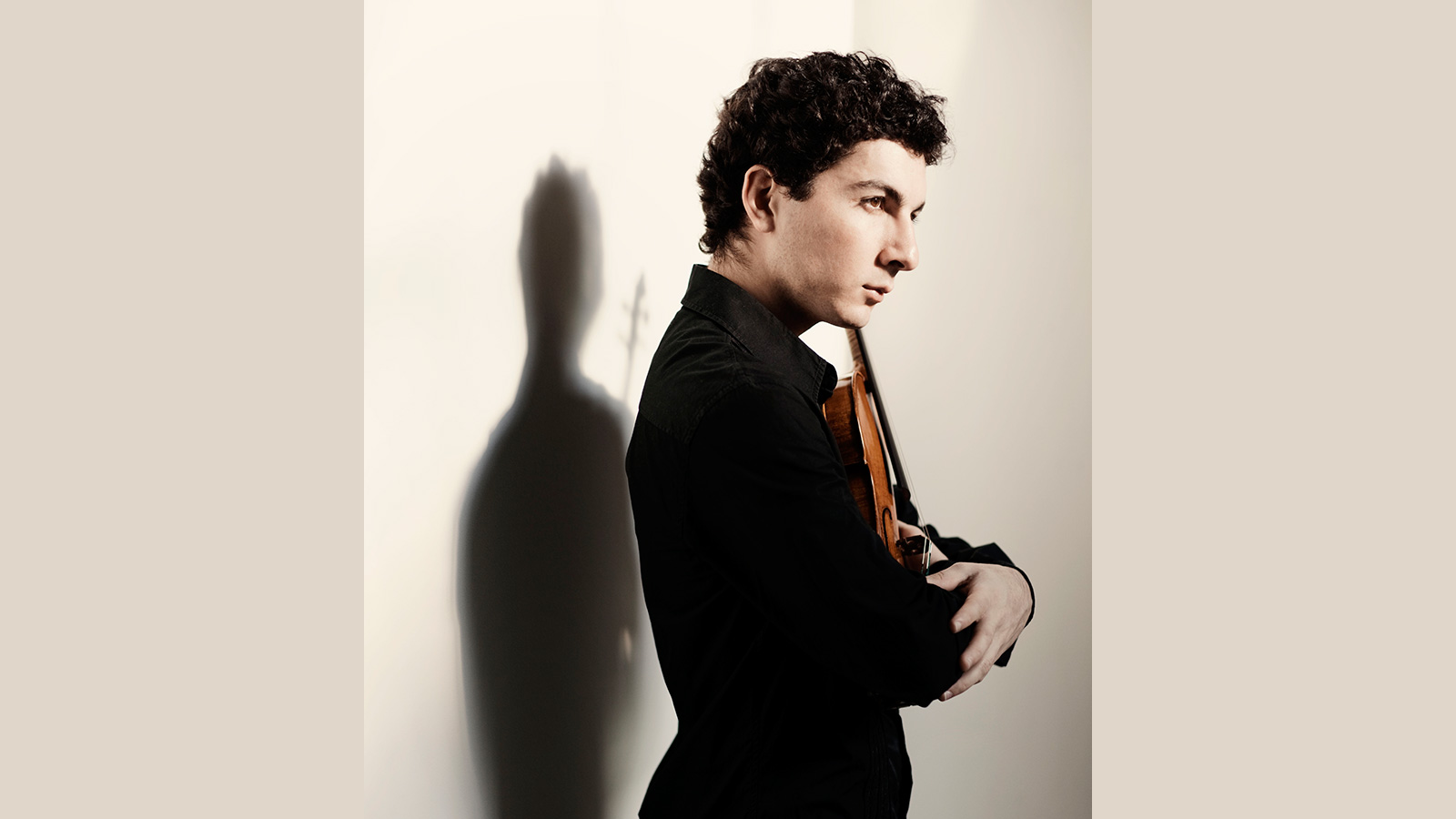
Sergey Khachatryan, violin

KHACHATURIAN: Violin Concerto
BRUCKNER: Symphony No. 9 in D minor

Rafael Payare, violinist Sergey Khachatryan, and the Orchestra bring to the Jacobs Music Center stage two pieces rooted in a sense of vast mountainous landscapes.

The mid-20th century Soviet composer Khachaturian was deeply influenced by his roots in the high southern mountain range of the Caucasus. From his Armenian ancestors and from his childhood in the Georgian capital of Tbilisi he absorbed a huge love of the dazzling variety of wild folk dances of the region and the rich tradition of ancient exotic sounding folk melodies. Armenian violinist Sergey Khachatryan brings the abundantly catchy tunes and foot-tapping dance rhythms in this concerto to life.

Bruckner was also deeply shaped by the mountain landscape in which he grew up—the snow-covered Austrian Alps. He was a religious man and a brilliant organist. Bruckner’s symphonies abound in beautiful melodies that fill the hall with echoes of nature, saturated with the sounds of ancient hymns and pealing cathedral bells. Bruckner’s Symphony No. 9 was his last, and it builds astonishingly on the colossal achievements of its predecessors. If anything, it is even grander, even more gorgeous, even more splendiferously orchestral than all the other eight.

Spain Through French Glasses: Ravel and Debussy

Saturday, October 17, 7:30 PM

Ludovic Morlot, conductor
Jörgen van Rijen, trombone

DEBUSSY: "Nuages" and "Fêtes" from Nocturnes
JIMMY LÓPEZ: Shift, Concerto for Trombone and Orchestra
RAVEL: Alborada del gracioso
POULENC: Suite from The Does (Les biches)
RAVEL: Rapsodie espagnole

Ludovic Morlot, one of today’s foremost French conductors, leads a program of luminous and inviting French music – works alive with dance rhythms, nocturnal magic, and brilliant color. At its center is Shift, a virtuosic trombone concerto by Composer in Residence Jimmy López. Performed by Jörgen van Rijen and co commissioned by the San Diego, Rotterdam, and San Francisco symphonies, the four movement work explores the elements – Sound, Water, Light and Sonoluminescence, where vibrating sound waves create bubbles that glow with light.

Debussy’s Nocturnes evokes atmospheric scenes inspired by Whistler’s paintings: drifting Clouds and festive Celebrations. Ravel’s dazzling Alborada del Gracioso, steeped in Spanish flair, radiates rhythm and wit, while his earlier Rapsodie espagnole sways between habanera languor and fiery malagueña energy.

Poulenc’s Les biches (The Does) suite captures 1920s Paris at its most spirited – modern women at play, love affairs, and cocktails in chic salons, animated by jazzy exuberance and sly humor.

Together these works celebrate French imagination in all its forms – mystery and sunlight, elegance and daring – culminating in a concert that bridges impressionist beauty, modern brilliance, and vibrant contemporary sound.

Brahms and Shostakovich: Tragedy through Music

Saturday, November 14, 7:30 PM

Rafael Payare, conductor
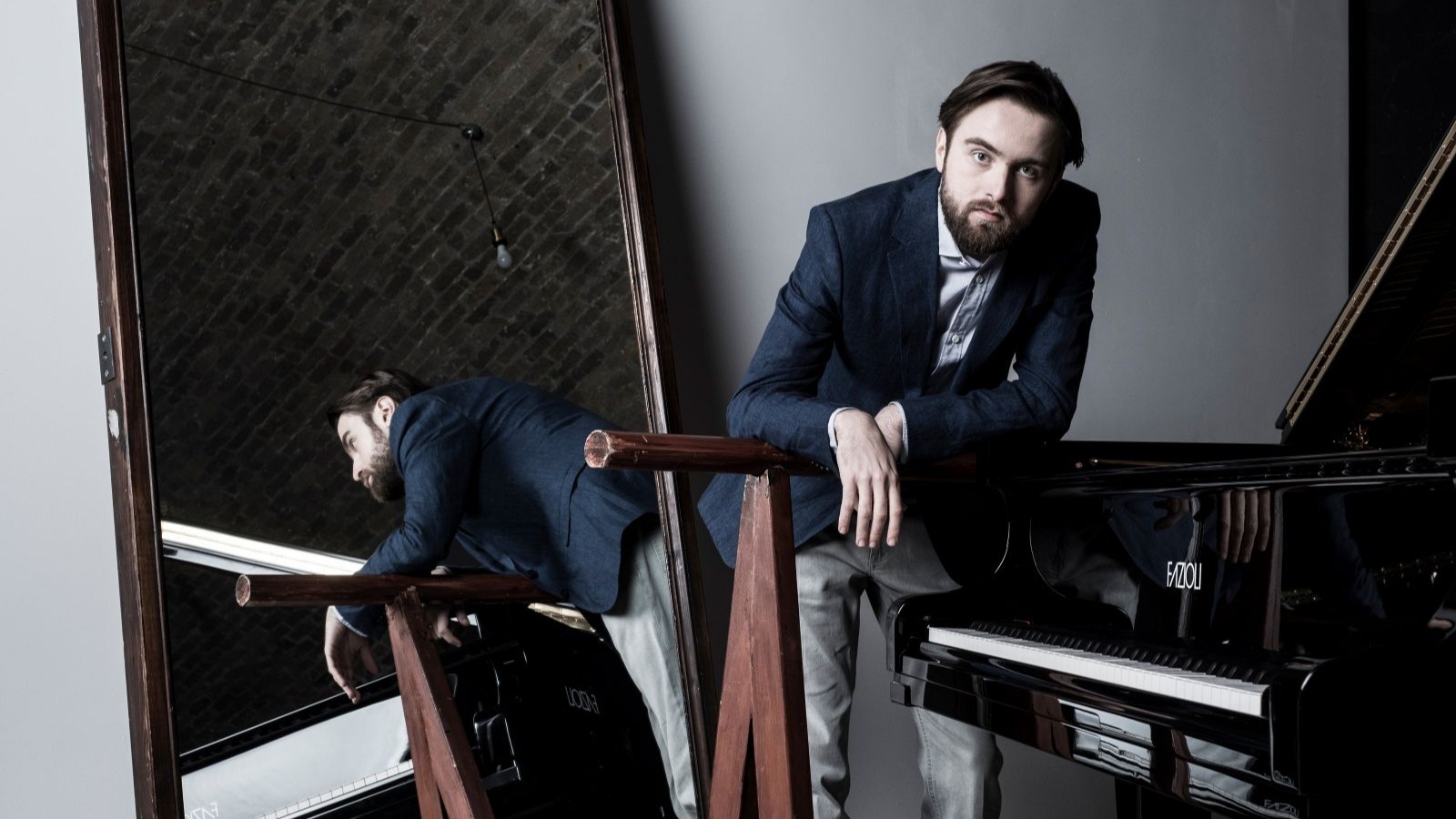
Daniil Trifonov, piano

BRAHMS: Piano Concerto No. 1 in D minor, Op. 15
SHOSTAKOVICH: Symphony No. 10 in E minor, Op. 93

Rafael Payare returns to Jacobs Music Center to lead two profound masterworks composed a century apart: Brahms’ Piano Concerto No. 1, performed by Daniil Trifonov, and Shostakovich’s Symphony No. 10. Both works unite the intensely personal with the powerfully public.

Brahms’ concerto, one of the 19th century’s towering achievements, began in anguish over Robert Schumann’s tragic fate and Brahms’ devotion to Schumann and his wife, Clara. Initially conceived as a symphony, it evolved into a vast concerto – his first major orchestral work and the piece that established him internationally. Grief, love, and moral courage flow through its pages, expressed in music of symphonic scale and searing emotional depth.

Nearly a hundred years later, Shostakovich completed his Symphony No. 10 in the aftermath of Stalin’s death in 1953. The music bears witness to immense suffering under tyranny while reclaiming the voice of the individual. Through coded motifs of his own name, allusions to those he cared for, and echoes of Russian poetry, Mahler, and Jewish folk tradition, Shostakovich shaped a drama of fear, endurance, and defiance.

From Brahms’ Romantic introspection to Shostakovich’s defiant modern vision, this concert explores two artists confronting fate – and affirming the resilience of the human spirit.

Youthful Visions: Carreño, Prokofiev & Sibelius

Saturday, December 5, 7:30 PM

Diego Matheuz, conductor
Aristo Sham, piano

CARREÑO: Margariteña
PROKOFIEV: Piano Concerto No. 2 in G minor, Op. 16
SIBELIUS: Symphony No. 2 in D Major, Op. 43

December opens with a captivating program of innovation and imagination, featuring music by Carreño, Prokofiev, and Sibelius – three composers who captured the spirit of change at the dawn of the 20th century.

Inocente Carreño’s Margariteña, a radiant “symphonic gloss” from the 1950s, celebrates the Venezuelan composer’s Caribbean homeland. Drawing on popular melodies, including his beloved song “Margarita es una lágrima,” the piece glows with the warmth and rhythm of island life.

Next, pianist Aristo Sham performs Prokofiev’s electrifying Piano Concerto No. 2, written when the composer was just 21. Its explosive rhythms, haunting lyricism, and sheer virtuosity shocked early audiences but revealed a bold new musical language. Reconstructed from memory after the original score was destroyed, the concerto stands among Prokofiev’s most thrilling creations.

The concert concludes with Sibelius’s Symphony No. 2, a defining work in the Finnish composer’s evolution from Romantic opulence to taut modern mastery. Built from fragments that gradually coalesce into sweeping melodies, it mirrors the growth of an idea – from uncertainty to radiant triumph. Its closing pages, among the most inspiring in all symphonic music, affirm the power of persistence, transformation, and hope.

Russian Elegance, American Lyricism: Rachmaninoff and Rorem

Saturday, January 16, 7:30 PM

Delyana Lazarova, conductor
Andrea Overturf, English horn

GLINKA: Overture to Russlan and Ludmilla
ROREM: English Horn Concerto
RACHMANINOFF: Symphony No. 2 in E minor, Op. 27

Two Russian masterpieces frame one of America’s most lyrical concertos in a program overflowing with melody, featuring San Diego Symphony’s own Andrea Overturf on English horn.

The concert opens with Glinka’s exuberant Overture to Ruslan and Ludmilla. Often called the “father of Russian music,” Glinka infused his fairy tale opera with fireworks of orchestral brilliance and the spirit of adventure – capturing the joy of a wedding celebration just before the story’s drama unfolds.

Ned Rorem’s Concerto for English Horn and Orchestra offers a tender, introspective contrast. Written in the 1990s while the composer was recovering from illness, the work highlights the instrument’s radiant tone through delicate orchestral textures. Its five movements unfold like a series of poetic reflections, shaped by Rorem’s lyrical gift and shimmering sensitivity to sound.

Rachmaninoff’s magnificent Symphony No. 2, composed in 1906 during his years in Germany, concludes the concert. A masterpiece of Romantic passion and architectural unity, it merges sweeping melodies, heartfelt emotion, and deep nostalgia for his Russian homeland. Expansive yet cohesive, the symphony glows with Rachmaninoff’s signature balance of orchestral power and expressive tenderness.

From Prague to Buenos Aires: Dvořák and Albéniz

Saturday, January 23, 7:30 PM

Aziz Shokhakimov, conductor
Simon Trpčeski, piano

SMETANA: Overture to The Bartered Bride
GINASTERA: Concierto argentino
ALBÉNIZ: Rapsodia española
DVOŘÁK: Symphony No. 8 in G Major, Op. 88

This vibrant program pairs two Czech and two Hispanic composers in a celebration of rhythm, melody, and joy – music shimmering with sunlight, laughter, and dance.

Smetana’s Overture to The Bartered Bride, one of the most beloved comic operas ever written, bursts with the folk rhythms of Bohemian village life. Its vivacious energy and dazzling counterpoint made it a worldwide favorite, effervescent as a glass of musical champagne.

From Argentina, the youthful Alberto Ginastera’s Concierto argentino pulses with the sounds of 1930s Buenos Aires – café chatter, street music, and fiery dance rhythms. Rediscovered decades after the composer’s death, it radiates exuberance and charm.

Spain’s Isaac Albéniz brings his country's flamenco soul to life in Rapsodia española, blending piano and orchestra in a rich evocation of Roma inspired song and dance. Its sensual rhythms and glowing colors celebrate a culture born of migration and resilience.

The program concludes with Dvořák’s luminous Symphony No. 8, overflowing with melodies inspired by birdsong, rolling hills, and Bohemian village life. In its joyous finale – a kaleidoscope of waltzes, fanfares, and rustic celebration – Dvořák creates one of the most life affirming symphonies ever written.

Alisa Weilerstein Plays Elgar’s Cello Concerto

Saturday, January 30, 7:30 PM

Rafael Payare, conductor
Alisa Weilerstein, cello

ELGAR: Cello Concerto in E minor, Op. 85
BERLIOZ: Symphonie fantastique, Op. 14

This concert pairs two masterpieces written at opposite ends of their composers’ careers: Elgar’s elegiac Cello Concerto and Berlioz’s audacious Symphonie fantastique.

Edward Elgar’s concerto, composed in 1919 as the shadow of World War I lifted, stands as his final great work. Gone is the imperial grandeur of his earlier music; in its place is intimacy and reflection. Written in the quiet of the English countryside – where distant gunfire from France was still faintly audible – the concerto mourns loss yet affirms the power of music to heal. Today, it remains one of the most beloved works in the cello repertoire, and Alisa Weilerstein continues its long tradition of great interpreters.

Nearly a century earlier, a fearless young Hector Berlioz shocked Paris with his Symphonie fantastique (1830). This revolutionary work broke every rule of symphonic form, telling the feverish, semi autobiographical tale of a tormented artist haunted by love, opium dreams, and visions of his own execution and demonic revels. With astonishing imagination and orchestral innovation, Berlioz expanded the possibilities of musical storytelling.

Together, these two works rise from personal passion – one inward and elegiac, the other wild and visionary – revealing music’s ability to express both the deepest grief and the most fantastic imagination.

Elegy to Exaltation: Ravel, Rota, and Shostakovich

Saturday, February 6, 7:30 PM

Andreas Ottensamer, conductor
Julie Phillips, harp

RAVEL: "Rigaudon" from Le Tombeau de Couperin
ROTA: Concerto for Harp
SHOSTAKOVICH: Symphony No. 5 in D minor, Op. 47

Immerse yourself in an evening of luminous melodies and emotional depth as the orchestra presents a program that celebrates elegance, imagination, and resilience. The concert opens with Maurice Ravel’s “Rigaudon” from Le Tombeau de Couperin, a brilliant tribute to 18th century French dance. Its crisp rhythms and buoyant energy capture Ravel’s unmatched craftsmanship and grace.

The mood turns tender and poetic with Nino Rota’s Concerto for Harp and Orchestra, performed by our own Julie Smith Philips, a rarely heard gem by the beloved composer of film scores such as The Godfather. In this work, Rota’s distinctive lyricism and cinematic color take center stage, as the solo harp shimmers over a tapestry of orchestral warmth – by turns playful, nostalgic, and dreamlike.

The evening concludes with the monumental Symphony No. 5 by Dmitri Shostakovich. Written under intense political scrutiny, the symphony moves through haunting introspection, defiant struggle, and ultimately, a cathartic triumph. It remains one of the most powerful and emotionally charged works of the 20th century – an unforgettable testament to music’s ability to speak truth and transcend hardship.

Pintscher Conducts Copland & Pintscher

Saturday, February 20, 7:30 PM

Matthias Pintscher, conductor
Blake Pouliot, violin

PINTSCHER: Assonanza for Violin and Chamber Orchestra
RAVEL: Tzigane, rapsodie de concert for Violin and Orchestra
COPLAND: Symphony No. 3

German-born conductor and composer Matthias Pintscher returns to the San Diego Symphony with a program of striking contrasts – opening with his own shimmering Assonanza and closing with Aaron Copland’s monumental Symphony No. 3, the most iconic American symphony ever written.

Pintscher, who has lived in the United States for nearly two decades, is celebrated for music of luminous texture and refined color. Assonanza – the Italian term for assonance – plays with echoes and patterns of sound, much as poets shape rhymes and rhythms that linger on the ear. Originally written for solo violin, the piece evolved into a miniature concerto in which the orchestra serves as an echo chamber, reflecting and transforming the violin’s phrases. Canadian soloist Blake Pouliot brings its intricate brilliance to life.

Ravel’s sparkling Tzigane, inspired by the Hungarian Jewish violinist Jelly d’Arányi, follows – a virtuosic homage to the Romani violin tradition that enchanted European audiences in the 1920s.

The program concludes with Copland’s Symphony No. 3, written at the close of World War II. Majestic, optimistic, and quintessentially American, it weaves noble lyricism with the triumphant “Fanfare for the Common Man,” affirming a nation’s spirit at peace.

The Genius of Mozart

Saturday, February 27, 7:30 PM

Bernard Labadie, conductor
Benedetto Lupo, piano

MOZART: "Chaconne" from Idomeneo
MOZART: Piano Concerto No. 23 in A Major, K. 488
MOZART: Symphony No. 41 in C Major, K. 551, “Jupiter”

An evening devoted to Mozart, led by renowned 18th century specialist Bernard Labadie, celebrates the composer’s genius for drama, beauty, and invention.

The concert opens with the ballet music from Idomeneo, Mozart’s first mature opera, written at age 24 for a grand Munich celebration. Its Chaconne – composed in a creative burst just before the premiere – combines elegance and vitality, recalling the glittering court ballets of Versailles.

Benedetto Lupo performs the Piano Concerto No. 23 in A Major, completed in 1786 alongside The Marriage of Figaro. Often described as Mozart’s most perfect concerto, it blends radiant lyricism with delicate melancholy, sunlight touched by shadow. Both works capture his uncanny gift for expressing the full range of human emotion through music of clarity and grace.

The concert concludes with Symphony No. 41 in C Major, “Jupiter,” Mozart’s final symphony and one of the greatest achievements in Western music. Composed – alongside two companion works – in the miraculous summer of 1788, it unites brilliance and grandeur in a dazzling finale of contrapuntal mastery that anticipates Beethoven while recalling Bach.

Together, these pieces reveal Mozart at his height: a composer of boundless imagination and emotional truth whose music continues to astonish with its vitality, balance, and transcendence.

Rafael Leads Stravinsky’s Firebird Suite

Saturday, March 20, 7:30 PM

Rafael Payare, conductor
Joshua Brown, violin

GABRIELA ORTIZ: Kauyumari
SHOSTAKOVICH: Violin Concerto No. 1 in A minor, Op. 99
BARTÓK: Suite from The Miraculous Mandarin, Op. 19
STRAVINSKY: The Firebird Suite (1919 version)

Mexico, Russia, and Hungary converge in a dazzling celebration of rhythm, color, and movement.

Gabriela Ortiz’s Kauyumari (2021), written for the Los Angeles Philharmonic, opens the program with explosive dance rhythms and luminous orchestral color. The title – “Blue Deer” in the Huichol language – refers to a visionary figure in that Indigenous culture, a symbol of hope and healing. Ortiz adapts a traditional Huichol melody into a joyful, propulsive orchestral showpiece.

Shostakovich’s Violin Concerto No. 1, composed under Stalin’s terror yet premiered only after his death, moves from shadowy introspection to incandescent virtuosity. Written for the legendary David Oistrakh, it fuses anguish, irony, and klezmer tinged exuberance in one of the century’s great concertos.

Bartók’s Suite from The Miraculous Mandarin bristles with raw power and sensuality. A modern day fable of violence and compassion, it stunned early audiences with its intensity and remains one of Bartók’s most daring scores.

Stravinsky’s Firebird Suite crowns the evening with radiant, fairy tale splendor. Written for Diaghilev’s Ballets Russes, it brims with shimmering orchestral colors and the triumph of light over darkness – music that heralded a new age of sound.

Symphonic Dances: Rachmaninoff, Bernstein and Salonen

Saturday, March 27, 7:30 PM

Rafael Payare, conductor
Ricardo Morales, clarinet

ESTÉVEZ: Midday on the Plains (Mediodía en el llano)
SALONEN: kínēma
BERNSTEIN: Symphonic Dances from West Side Story
RACHMANINOFF: Symphonic Dances, Op. 45

This program unites a beloved Venezuelan tone poem with three works by composer conductors who shaped modern music.

Antonio Estévez’s Mediodía en el llano (1942) captures the heat and stillness of Venezuela’s central plains, Los Llanos. Originally part of a three movement suite portraying dawn, midday, and evening, it evokes the bright intensity of noon on the expansive grasslands, suffused with lyrical beauty and local color.

Finnish composer Esa Pekka Salonen’s kínēma, written in 2021, is a gentle clarinet concerto drawn from film music created during the pandemic. Its five movements – Dawn, Theme and Variations, Pérotin Dream, J.D. in memoriam, and Return – move from shimmering light to reflective lyricism and renewal.

Leonard Bernstein’s Symphonic Dances from West Side Story transforms his landmark Broadway score into a symphonic suite that distills the story’s passion, violence, and reconciliation, brimming with rhythm and theatrical brilliance.

Rachmaninoff’s Symphonic Dances (1940), his final composition, reflects on a lifetime of memory and exile. Written in America yet steeped in nostalgia for Russia, its sweeping melodies and radiant conclusion – echoing his All Night Vespers – proclaim a final “Hallelujah.”

Together, these four works create a journey across lands and eras, celebrating color, movement, and the enduring human voice in music.

Stories in Symphony: Prokofiev, Dvořák & Janáček

Saturday, April 10, 7:30 PM

Sir Mark Elder, conductor

PROKOFIEV: Symphony No. 7 in C-sharp minor, Op. 131
DVOŘÁK: The Wood Dove, Op. 110
JANÁČEK: Taras Bulba; Rhapsody after Gogol

Sir Mark Elder, one of Britain’s most distinguished conductors, leads a dramatic program pairing Prokofiev’s luminous final symphony with powerful Czech tone poems by Dvořák and Janácek.

Prokofiev’s Symphony No. 7, written in 1952 for Soviet Radio, was conceived for young audiences yet reveals profound nostalgia and tenderness. Its graceful melodies and transparent textures recall the innocence of Peter and the Wolf, reframed through the wisdom of age. Closing with a quiet, deeply moving farewell, the symphony stands as Prokofiev’s last masterpiece – a poetic reflection on childhood and memory.

Dvořák’s The Wood Dove tells a haunting story of guilt and redemption: a woman who poisons her husband is tormented by the cooing of a dove on his grave until she meets her tragic fate. Dvořák’s love of birds and the Bohemian countryside infuses the work with striking authenticity and emotional depth.

Janáček’s Taras Bulba, based on Gogol’s epic tale of heroism and sacrifice, unfolds as a vivid orchestral drama. Propelled by Janáček’s unmistakable rhythmic energy, its three scenes – betrayal, execution, and prophecy – paint a searing portrait of courage and loss.

Together, these works reveal Slavic storytelling in all its power – lyrical, dramatic, and deeply human.

Northern Lights: Sibelius, Grieg and Nielsen

Saturday, May 22, 7:30 PM

Osmo Vänskä, conductor
Alessio Bax, piano

SIBELIUS: Pojhola’s Daughter
GRIEG: Piano Concerto in A minor, Op. 16
NIELSEN: Symphony No. 5, Op. 50

Finnish maestro Osmo Vänskä returns to San Diego with a thrilling Nordic program featuring music by Sibelius, Grieg, and Nielsen – three towering voices of the North.

Sibelius’s tone poem Pohjola’s Daughter, inspired by the Finnish epic Kalevala, tells of a white bearded hero who glimpses the radiant daughter of the God of the North weaving gold on a rainbow. When she sets him impossible tasks, she vanishes into the sky, leaving him to journey alone through the frozen landscape. Sibelius translates this myth and the glow of the Northern Lights into orchestral poetry.

Grieg’s Piano Concerto in A minor remains one of the most beloved Romantic concertos – lyrical, exuberant, and steeped in Norwegian folk-dance rhythms. Its soaring melodies and dazzling piano writing have captivated audiences for over a century.

The program concludes with Nielsen’s Symphony No. 5, a gripping, two movement masterpiece written in the aftermath of World War I. Defiant and visionary, it contrasts serene lyricism with eruptive power, culminating in a blazing resolution in E flat Major. Its notorious snare drum battle still electrifies audiences, as chaos ultimately yields to radiant order – a breathtaking testament to human resilience and renewal.

From The New World: Dvořák’s 9th

Saturday, May 29, 7:30 PM

Joshua Weilerstein, conductor
Jeff Thayer, violin

KLEIN: Partita for Strings
BARTÓK: Violin Concerto No. 1
DVOŘÁK: Symphony No. 9 in E minor, Op. 95, “From the New World”

Joshua Weilerstein leads an East European journey of remembrance and rediscovery. The program opens with Gideon Klein’s Partita for strings, adapted from the young Czech Jewish composer’s 1944 String Trio, written in the Theresienstadt concentration camp shortly before his death at age 25. Its Moravian folk song variations – tender, haunting, and defiant – are both a farewell and an elegy of hope.

Bartók’s Violin Concerto No. 1, never heard in his lifetime, was written in 1907 as a love offering to violinist Stefi Geyer. Its two movements chart the arc of passion – from glowing lyricism to dazzling virtuosity – with music that reveals the composer’s heart at its most vulnerable. San Diego Symphony concertmaster Jeff Thayer performs as soloist.

The concert closes with Dvořák’s Symphony No. 9, “From the New World”, one of the world’s most beloved symphonies. Written during the composer’s American sojourn, it fuses Czech lyricism with the rhythms and spiritual depth of Black American music shared with him by composer Harry T. Burleigh. For some, it embodies the American experience; for others, it expresses the longing of exile. Whatever one’s perspective, its timeless melodies remind us that great music speaks across cultures – connecting memory, identity, and the universal human spirit.

Ode to Humanity: Beethoven’s 9th and López’s Monarch

Saturday, June 5, 7:30 PM

Rafael Payare, conductor
Tasha Hokuao Koontz, soprano
Nikola Printz, mezzo-soprano
Viktor Antipenko, tenor
Hansung Yoo, baritone

JIMMY LÓPEZ: Symphony No. 6, Monarch
BEETHOVEN: Symphony No. 9 in D minor, Op. 125, “Choral”

Two symphonies – one newly written, one timeless – come together in a celebration of nature, humanity, and hope.

Peruvian born composer and San Diego Symphony Composer in Residence Jimmy López draws inspiration from the natural world that unites the Americas along the Pacific coast. In his Symphony No. 6, he turns to one of nature’s most wondrous phenomena: the migration of monarch butterflies. López transforms their journey into sound—a vivid meditation on transformation, endurance, and the fragile harmony between life and environment.

The program culminates with Beethoven’s Symphony No. 9, a work that forever changed the symphonic form with its visionary finale setting of Friedrich Schiller’s Ode to Joy. Written in defiance of personal struggle, the work transcends boundaries of time and culture, uniting orchestra, chorus, and audience in a single voice of exaltation. Its words and music – celebrating joy, brotherhood, and freedom – remain an anthem of shared humanity.

Together, these two symphonies embody an unbroken continuum: López’s reflection on nature’s resilience and Beethoven’s immortal affirmation of the human spirit. In both, we are reminded of music’s power to lift us beyond division and reconnect us to wonder.

Buy Now

A solid serving of 8 Saturday night classical music concerts downtown, the highlight of your weekends! Guest artists include Yefim Bronfman (piano), Jörgen van Rijen (trombone), Alisa Weilerstein (cello), Simon Trpčeski (piano), Joshua Brown (violin) and more.

Payare Leads Strauss’ A Hero’s Life

Saturday, October 3, 7:30 PM

Rafael Payare, conductor
Yefim Bronfman, piano

GUBAIDULINA: Fairytale Poem (Poema-Skazka)
MOZART: Piano Concerto No. 24 in C minor, K. 491
R. STRAUSS: A Hero's Life (Ein Heldenleben), Op. 40

The 2026-2027 season opens with Rafael Payare conducting the Orchestra in a concert celebrating the power of human imagination.

Sofia Gubaidulina’s Poema-Skazka ("Fairy-Tale Poem") tells of a little piece of chalk that spends its days writing mathematical exercises but one evening takes on a life of its own, covering the blackboard with flowers and castles and fantasies, sacrificing itself for the power of imagination. Written in 1971 for a children’s program on Soviet radio, it accompanied a reading of a story by the 20th century Czech writer, Miloš Macourek.

Mozart’s Piano Concerto No. 24 is one of the most dramatic pieces he wrote in any form. The first movement has a thrilling tragic grandeur, an epic feeling that directly inspired Beethoven and many other composers who came after. Pianist Yefim Bronfman returns to Jacobs Music Center for this electrifying concerto.

Of all Strauss’s tone poems, none is more sumptuously and gorgeously theatrical than Ein Heldenleben, “A Hero’s Life". It tells an outrageous story, at once tremendously grand and hilariously funny, filled with laughter and mockery. No wonder this one piece has been such an inspiration for generations of film-composers!

Spain Through French Glasses: Ravel and Debussy

Saturday, October 17, 7:30 PM

Ludovic Morlot, conductor
Jörgen van Rijen, trombone

DEBUSSY: "Nuages" and "Fêtes" from Nocturnes
JIMMY LÓPEZ: Shift, Concerto for Trombone and Orchestra
RAVEL: Alborada del gracioso
POULENC: Suite from The Does (Les biches)
RAVEL: Rapsodie espagnole

Ludovic Morlot, one of today’s foremost French conductors, leads a program of luminous and inviting French music – works alive with dance rhythms, nocturnal magic, and brilliant color. At its center is Shift, a virtuosic trombone concerto by Composer in Residence Jimmy López. Performed by Jörgen van Rijen and co commissioned by the San Diego, Rotterdam, and San Francisco symphonies, the four movement work explores the elements – Sound, Water, Light and Sonoluminescence, where vibrating sound waves create bubbles that glow with light.

Debussy’s Nocturnes evokes atmospheric scenes inspired by Whistler’s paintings: drifting Clouds and festive Celebrations. Ravel’s dazzling Alborada del Gracioso, steeped in Spanish flair, radiates rhythm and wit, while his earlier Rapsodie espagnole sways between habanera languor and fiery malagueña energy.

Poulenc’s Les biches (The Does) suite captures 1920s Paris at its most spirited – modern women at play, love affairs, and cocktails in chic salons, animated by jazzy exuberance and sly humor.

Together these works celebrate French imagination in all its forms – mystery and sunlight, elegance and daring – culminating in a concert that bridges impressionist beauty, modern brilliance, and vibrant contemporary sound.

From Prague to Buenos Aires: Dvořák and Albéniz

Saturday, January 23, 7:30 PM

Aziz Shokhakimov, conductor
Simon Trpčeski, piano

SMETANA: Overture to The Bartered Bride
GINASTERA: Concierto argentino
ALBÉNIZ: Rapsodia española
DVOŘÁK: Symphony No. 8 in G Major, Op. 88

This vibrant program pairs two Czech and two Hispanic composers in a celebration of rhythm, melody, and joy – music shimmering with sunlight, laughter, and dance.

Smetana’s Overture to The Bartered Bride, one of the most beloved comic operas ever written, bursts with the folk rhythms of Bohemian village life. Its vivacious energy and dazzling counterpoint made it a worldwide favorite, effervescent as a glass of musical champagne.

From Argentina, the youthful Alberto Ginastera’s Concierto argentino pulses with the sounds of 1930s Buenos Aires – café chatter, street music, and fiery dance rhythms. Rediscovered decades after the composer’s death, it radiates exuberance and charm.

Spain’s Isaac Albéniz brings his country's flamenco soul to life in Rapsodia española, blending piano and orchestra in a rich evocation of Roma inspired song and dance. Its sensual rhythms and glowing colors celebrate a culture born of migration and resilience.

The program concludes with Dvořák’s luminous Symphony No. 8, overflowing with melodies inspired by birdsong, rolling hills, and Bohemian village life. In its joyous finale – a kaleidoscope of waltzes, fanfares, and rustic celebration – Dvořák creates one of the most life affirming symphonies ever written.

Alisa Weilerstein Plays Elgar’s Cello Concerto

Saturday, January 30, 7:30 PM

Rafael Payare, conductor
Alisa Weilerstein, cello

ELGAR: Cello Concerto in E minor, Op. 85
BERLIOZ: Symphonie fantastique, Op. 14

This concert pairs two masterpieces written at opposite ends of their composers’ careers: Elgar’s elegiac Cello Concerto and Berlioz’s audacious Symphonie fantastique.

Edward Elgar’s concerto, composed in 1919 as the shadow of World War I lifted, stands as his final great work. Gone is the imperial grandeur of his earlier music; in its place is intimacy and reflection. Written in the quiet of the English countryside – where distant gunfire from France was still faintly audible – the concerto mourns loss yet affirms the power of music to heal. Today, it remains one of the most beloved works in the cello repertoire, and Alisa Weilerstein continues its long tradition of great interpreters.

Nearly a century earlier, a fearless young Hector Berlioz shocked Paris with his Symphonie fantastique (1830). This revolutionary work broke every rule of symphonic form, telling the feverish, semi autobiographical tale of a tormented artist haunted by love, opium dreams, and visions of his own execution and demonic revels. With astonishing imagination and orchestral innovation, Berlioz expanded the possibilities of musical storytelling.

Together, these two works rise from personal passion – one inward and elegiac, the other wild and visionary – revealing music’s ability to express both the deepest grief and the most fantastic imagination.

Pintscher Conducts Copland & Pintscher

Saturday, February 20, 7:30 PM

Matthias Pintscher, conductor
Blake Pouliot, violin

PINTSCHER: Assonanza for Violin and Chamber Orchestra
RAVEL: Tzigane, rapsodie de concert for Violin and Orchestra
COPLAND: Symphony No. 3

German-born conductor and composer Matthias Pintscher returns to the San Diego Symphony with a program of striking contrasts – opening with his own shimmering Assonanza and closing with Aaron Copland’s monumental Symphony No. 3, the most iconic American symphony ever written.

Pintscher, who has lived in the United States for nearly two decades, is celebrated for music of luminous texture and refined color. Assonanza – the Italian term for assonance – plays with echoes and patterns of sound, much as poets shape rhymes and rhythms that linger on the ear. Originally written for solo violin, the piece evolved into a miniature concerto in which the orchestra serves as an echo chamber, reflecting and transforming the violin’s phrases. Canadian soloist Blake Pouliot brings its intricate brilliance to life.

Ravel’s sparkling Tzigane, inspired by the Hungarian Jewish violinist Jelly d’Arányi, follows – a virtuosic homage to the Romani violin tradition that enchanted European audiences in the 1920s.

The program concludes with Copland’s Symphony No. 3, written at the close of World War II. Majestic, optimistic, and quintessentially American, it weaves noble lyricism with the triumphant “Fanfare for the Common Man,” affirming a nation’s spirit at peace.

Rafael Leads Stravinsky’s Firebird Suite

Saturday, March 20, 7:30 PM

Rafael Payare, conductor
Joshua Brown, violin

GABRIELA ORTIZ: Kauyumari
SHOSTAKOVICH: Violin Concerto No. 1 in A minor, Op. 99
BARTÓK: Suite from The Miraculous Mandarin, Op. 19
STRAVINSKY: The Firebird Suite (1919 version)

Mexico, Russia, and Hungary converge in a dazzling celebration of rhythm, color, and movement.

Gabriela Ortiz’s Kauyumari (2021), written for the Los Angeles Philharmonic, opens the program with explosive dance rhythms and luminous orchestral color. The title – “Blue Deer” in the Huichol language – refers to a visionary figure in that Indigenous culture, a symbol of hope and healing. Ortiz adapts a traditional Huichol melody into a joyful, propulsive orchestral showpiece.

Shostakovich’s Violin Concerto No. 1, composed under Stalin’s terror yet premiered only after his death, moves from shadowy introspection to incandescent virtuosity. Written for the legendary David Oistrakh, it fuses anguish, irony, and klezmer tinged exuberance in one of the century’s great concertos.

Bartók’s Suite from The Miraculous Mandarin bristles with raw power and sensuality. A modern day fable of violence and compassion, it stunned early audiences with its intensity and remains one of Bartók’s most daring scores.

Stravinsky’s Firebird Suite crowns the evening with radiant, fairy tale splendor. Written for Diaghilev’s Ballets Russes, it brims with shimmering orchestral colors and the triumph of light over darkness – music that heralded a new age of sound.

Stories in Symphony: Prokofiev, Dvořák & Janáček

Saturday, April 10, 7:30 PM

Sir Mark Elder, conductor

PROKOFIEV: Symphony No. 7 in C-sharp minor, Op. 131
DVOŘÁK: The Wood Dove, Op. 110
JANÁČEK: Taras Bulba; Rhapsody after Gogol

Sir Mark Elder, one of Britain’s most distinguished conductors, leads a dramatic program pairing Prokofiev’s luminous final symphony with powerful Czech tone poems by Dvořák and Janácek.

Prokofiev’s Symphony No. 7, written in 1952 for Soviet Radio, was conceived for young audiences yet reveals profound nostalgia and tenderness. Its graceful melodies and transparent textures recall the innocence of Peter and the Wolf, reframed through the wisdom of age. Closing with a quiet, deeply moving farewell, the symphony stands as Prokofiev’s last masterpiece – a poetic reflection on childhood and memory.

Dvořák’s The Wood Dove tells a haunting story of guilt and redemption: a woman who poisons her husband is tormented by the cooing of a dove on his grave until she meets her tragic fate. Dvořák’s love of birds and the Bohemian countryside infuses the work with striking authenticity and emotional depth.

Janáček’s Taras Bulba, based on Gogol’s epic tale of heroism and sacrifice, unfolds as a vivid orchestral drama. Propelled by Janáček’s unmistakable rhythmic energy, its three scenes – betrayal, execution, and prophecy – paint a searing portrait of courage and loss.

Together, these works reveal Slavic storytelling in all its power – lyrical, dramatic, and deeply human.

From The New World: Dvořák’s 9th

Saturday, May 29, 7:30 PM

Joshua Weilerstein, conductor
Jeff Thayer, violin

KLEIN: Partita for Strings
BARTÓK: Violin Concerto No. 1
DVOŘÁK: Symphony No. 9 in E minor, Op. 95, “From the New World”

Joshua Weilerstein leads an East European journey of remembrance and rediscovery. The program opens with Gideon Klein’s Partita for strings, adapted from the young Czech Jewish composer’s 1944 String Trio, written in the Theresienstadt concentration camp shortly before his death at age 25. Its Moravian folk song variations – tender, haunting, and defiant – are both a farewell and an elegy of hope.

Bartók’s Violin Concerto No. 1, never heard in his lifetime, was written in 1907 as a love offering to violinist Stefi Geyer. Its two movements chart the arc of passion – from glowing lyricism to dazzling virtuosity – with music that reveals the composer’s heart at its most vulnerable. San Diego Symphony concertmaster Jeff Thayer performs as soloist.

The concert closes with Dvořák’s Symphony No. 9, “From the New World”, one of the world’s most beloved symphonies. Written during the composer’s American sojourn, it fuses Czech lyricism with the rhythms and spiritual depth of Black American music shared with him by composer Harry T. Burleigh. For some, it embodies the American experience; for others, it expresses the longing of exile. Whatever one’s perspective, its timeless melodies remind us that great music speaks across cultures – connecting memory, identity, and the universal human spirit.

Buy Now

Classical music on 9 brilliant evenings at downtown's Jacobs Music Center! Guest artists include Sergey Khachatryan (violin), Daniil Trifonov (piano), Ricardo Morales (clarinet), Alessio Bax (piano), Tasha Hokuao Koontz (soprano) and more!

Khachaturian’s Exuberant Violin Concerto

Saturday, October 10, 7:30 PM

Rafael Payare, conductor
Sergey Khachatryan, violin

KHACHATURIAN: Violin Concerto
BRUCKNER: Symphony No. 9 in D minor

Rafael Payare, violinist Sergey Khachatryan, and the Orchestra bring to the Jacobs Music Center stage two pieces rooted in a sense of vast mountainous landscapes.

The mid-20th century Soviet composer Khachaturian was deeply influenced by his roots in the high southern mountain range of the Caucasus. From his Armenian ancestors and from his childhood in the Georgian capital of Tbilisi he absorbed a huge love of the dazzling variety of wild folk dances of the region and the rich tradition of ancient exotic sounding folk melodies. Armenian violinist Sergey Khachatryan brings the abundantly catchy tunes and foot-tapping dance rhythms in this concerto to life.

Bruckner was also deeply shaped by the mountain landscape in which he grew up—the snow-covered Austrian Alps. He was a religious man and a brilliant organist. Bruckner’s symphonies abound in beautiful melodies that fill the hall with echoes of nature, saturated with the sounds of ancient hymns and pealing cathedral bells. Bruckner’s Symphony No. 9 was his last, and it builds astonishingly on the colossal achievements of its predecessors. If anything, it is even grander, even more gorgeous, even more splendiferously orchestral than all the other eight.

Brahms and Shostakovich: Tragedy through Music

Saturday, November 14, 7:30 PM

Rafael Payare, conductor
Daniil Trifonov, piano

BRAHMS: Piano Concerto No. 1 in D minor, Op. 15
SHOSTAKOVICH: Symphony No. 10 in E minor, Op. 93

Rafael Payare returns to Jacobs Music Center to lead two profound masterworks composed a century apart: Brahms’ Piano Concerto No. 1, performed by Daniil Trifonov, and Shostakovich’s Symphony No. 10. Both works unite the intensely personal with the powerfully public.

Brahms’ concerto, one of the 19th century’s towering achievements, began in anguish over Robert Schumann’s tragic fate and Brahms’ devotion to Schumann and his wife, Clara. Initially conceived as a symphony, it evolved into a vast concerto – his first major orchestral work and the piece that established him internationally. Grief, love, and moral courage flow through its pages, expressed in music of symphonic scale and searing emotional depth.

Nearly a hundred years later, Shostakovich completed his Symphony No. 10 in the aftermath of Stalin’s death in 1953. The music bears witness to immense suffering under tyranny while reclaiming the voice of the individual. Through coded motifs of his own name, allusions to those he cared for, and echoes of Russian poetry, Mahler, and Jewish folk tradition, Shostakovich shaped a drama of fear, endurance, and defiance.

From Brahms’ Romantic introspection to Shostakovich’s defiant modern vision, this concert explores two artists confronting fate – and affirming the resilience of the human spirit.

Youthful Visions: Carreño, Prokofiev & Sibelius

Saturday, December 5, 7:30 PM

Diego Matheuz, conductor
Aristo Sham, piano

CARREÑO: Margariteña
PROKOFIEV: Piano Concerto No. 2 in G minor, Op. 16
SIBELIUS: Symphony No. 2 in D Major, Op. 43

December opens with a captivating program of innovation and imagination, featuring music by Carreño, Prokofiev, and Sibelius – three composers who captured the spirit of change at the dawn of the 20th century.

Inocente Carreño’s Margariteña, a radiant “symphonic gloss” from the 1950s, celebrates the Venezuelan composer’s Caribbean homeland. Drawing on popular melodies, including his beloved song “Margarita es una lágrima,” the piece glows with the warmth and rhythm of island life.

Next, pianist Aristo Sham performs Prokofiev’s electrifying Piano Concerto No. 2, written when the composer was just 21. Its explosive rhythms, haunting lyricism, and sheer virtuosity shocked early audiences but revealed a bold new musical language. Reconstructed from memory after the original score was destroyed, the concerto stands among Prokofiev’s most thrilling creations.

The concert concludes with Sibelius’s Symphony No. 2, a defining work in the Finnish composer’s evolution from Romantic opulence to taut modern mastery. Built from fragments that gradually coalesce into sweeping melodies, it mirrors the growth of an idea – from uncertainty to radiant triumph. Its closing pages, among the most inspiring in all symphonic music, affirm the power of persistence, transformation, and hope.

Russian Elegance, American Lyricism: Rachmaninoff and Rorem

Saturday, January 16, 7:30 PM

Delyana Lazarova, conductor
Andrea Overturf, English horn

GLINKA: Overture to Russlan and Ludmilla
ROREM: English Horn Concerto
RACHMANINOFF: Symphony No. 2 in E minor, Op. 27

Two Russian masterpieces frame one of America’s most lyrical concertos in a program overflowing with melody, featuring San Diego Symphony’s own Andrea Overturf on English horn.

The concert opens with Glinka’s exuberant Overture to Ruslan and Ludmilla. Often called the “father of Russian music,” Glinka infused his fairy tale opera with fireworks of orchestral brilliance and the spirit of adventure – capturing the joy of a wedding celebration just before the story’s drama unfolds.

Ned Rorem’s Concerto for English Horn and Orchestra offers a tender, introspective contrast. Written in the 1990s while the composer was recovering from illness, the work highlights the instrument’s radiant tone through delicate orchestral textures. Its five movements unfold like a series of poetic reflections, shaped by Rorem’s lyrical gift and shimmering sensitivity to sound.

Rachmaninoff’s magnificent Symphony No. 2, composed in 1906 during his years in Germany, concludes the concert. A masterpiece of Romantic passion and architectural unity, it merges sweeping melodies, heartfelt emotion, and deep nostalgia for his Russian homeland. Expansive yet cohesive, the symphony glows with Rachmaninoff’s signature balance of orchestral power and expressive tenderness.

Elegy to Exaltation: Ravel, Rota, and Shostakovich

Saturday, February 6, 7:30 PM

Andreas Ottensamer, conductor
Julie Phillips, harp

RAVEL: "Rigaudon" from Le Tombeau de Couperin
ROTA: Concerto for Harp
SHOSTAKOVICH: Symphony No. 5 in D minor, Op. 47

Immerse yourself in an evening of luminous melodies and emotional depth as the orchestra presents a program that celebrates elegance, imagination, and resilience. The concert opens with Maurice Ravel’s “Rigaudon” from Le Tombeau de Couperin, a brilliant tribute to 18th century French dance. Its crisp rhythms and buoyant energy capture Ravel’s unmatched craftsmanship and grace.

The mood turns tender and poetic with Nino Rota’s Concerto for Harp and Orchestra, performed by our own Julie Smith Philips, a rarely heard gem by the beloved composer of film scores such as The Godfather. In this work, Rota’s distinctive lyricism and cinematic color take center stage, as the solo harp shimmers over a tapestry of orchestral warmth – by turns playful, nostalgic, and dreamlike.

The evening concludes with the monumental Symphony No. 5 by Dmitri Shostakovich. Written under intense political scrutiny, the symphony moves through haunting introspection, defiant struggle, and ultimately, a cathartic triumph. It remains one of the most powerful and emotionally charged works of the 20th century – an unforgettable testament to music’s ability to speak truth and transcend hardship.

The Genius of Mozart

Saturday, February 27, 7:30 PM

Bernard Labadie, conductor
Benedetto Lupo, piano

MOZART: "Chaconne" from Idomeneo
MOZART: Piano Concerto No. 23 in A Major, K. 488
MOZART: Symphony No. 41 in C Major, K. 551, “Jupiter”

An evening devoted to Mozart, led by renowned 18th century specialist Bernard Labadie, celebrates the composer’s genius for drama, beauty, and invention.

The concert opens with the ballet music from Idomeneo, Mozart’s first mature opera, written at age 24 for a grand Munich celebration. Its Chaconne – composed in a creative burst just before the premiere – combines elegance and vitality, recalling the glittering court ballets of Versailles.

Benedetto Lupo performs the Piano Concerto No. 23 in A Major, completed in 1786 alongside The Marriage of Figaro. Often described as Mozart’s most perfect concerto, it blends radiant lyricism with delicate melancholy, sunlight touched by shadow. Both works capture his uncanny gift for expressing the full range of human emotion through music of clarity and grace.

The concert concludes with Symphony No. 41 in C Major, “Jupiter,” Mozart’s final symphony and one of the greatest achievements in Western music. Composed – alongside two companion works – in the miraculous summer of 1788, it unites brilliance and grandeur in a dazzling finale of contrapuntal mastery that anticipates Beethoven while recalling Bach.

Together, these pieces reveal Mozart at his height: a composer of boundless imagination and emotional truth whose music continues to astonish with its vitality, balance, and transcendence.

Symphonic Dances: Rachmaninoff, Bernstein and Salonen

Saturday, March 27, 7:30 PM

Rafael Payare, conductor
Ricardo Morales, clarinet

ESTÉVEZ: Midday on the Plains (Mediodía en el llano)
SALONEN: kínēma
BERNSTEIN: Symphonic Dances from West Side Story
RACHMANINOFF: Symphonic Dances, Op. 45

This program unites a beloved Venezuelan tone poem with three works by composer conductors who shaped modern music.

Antonio Estévez’s Mediodía en el llano (1942) captures the heat and stillness of Venezuela’s central plains, Los Llanos. Originally part of a three movement suite portraying dawn, midday, and evening, it evokes the bright intensity of noon on the expansive grasslands, suffused with lyrical beauty and local color.

Finnish composer Esa Pekka Salonen’s kínēma, written in 2021, is a gentle clarinet concerto drawn from film music created during the pandemic. Its five movements – Dawn, Theme and Variations, Pérotin Dream, J.D. in memoriam, and Return – move from shimmering light to reflective lyricism and renewal.

Leonard Bernstein’s Symphonic Dances from West Side Story transforms his landmark Broadway score into a symphonic suite that distills the story’s passion, violence, and reconciliation, brimming with rhythm and theatrical brilliance.

Rachmaninoff’s Symphonic Dances (1940), his final composition, reflects on a lifetime of memory and exile. Written in America yet steeped in nostalgia for Russia, its sweeping melodies and radiant conclusion – echoing his All Night Vespers – proclaim a final “Hallelujah.”

Together, these four works create a journey across lands and eras, celebrating color, movement, and the enduring human voice in music.

Northern Lights: Sibelius, Grieg and Nielsen

Saturday, May 22, 7:30 PM

Osmo Vänskä, conductor
Alessio Bax, piano

SIBELIUS: Pojhola’s Daughter
GRIEG: Piano Concerto in A minor, Op. 16
NIELSEN: Symphony No. 5, Op. 50

Finnish maestro Osmo Vänskä returns to San Diego with a thrilling Nordic program featuring music by Sibelius, Grieg, and Nielsen – three towering voices of the North.

Sibelius’s tone poem Pohjola’s Daughter, inspired by the Finnish epic Kalevala, tells of a white bearded hero who glimpses the radiant daughter of the God of the North weaving gold on a rainbow. When she sets him impossible tasks, she vanishes into the sky, leaving him to journey alone through the frozen landscape. Sibelius translates this myth and the glow of the Northern Lights into orchestral poetry.

Grieg’s Piano Concerto in A minor remains one of the most beloved Romantic concertos – lyrical, exuberant, and steeped in Norwegian folk-dance rhythms. Its soaring melodies and dazzling piano writing have captivated audiences for over a century.

The program concludes with Nielsen’s Symphony No. 5, a gripping, two movement masterpiece written in the aftermath of World War I. Defiant and visionary, it contrasts serene lyricism with eruptive power, culminating in a blazing resolution in E flat Major. Its notorious snare drum battle still electrifies audiences, as chaos ultimately yields to radiant order – a breathtaking testament to human resilience and renewal.

Ode to Humanity: Beethoven’s 9th and López’s Monarch

Saturday, June 5, 7:30 PM

Rafael Payare, conductor
Tasha Hokuao Koontz, soprano
Nikola Printz, mezzo-soprano
Viktor Antipenko, tenor
Hansung Yoo, baritone

JIMMY LÓPEZ: Symphony No. 6, Monarch
BEETHOVEN: Symphony No. 9 in D minor, Op. 125, “Choral”

Two symphonies – one newly written, one timeless – come together in a celebration of nature, humanity, and hope.

Peruvian born composer and San Diego Symphony Composer in Residence Jimmy López draws inspiration from the natural world that unites the Americas along the Pacific coast. In his Symphony No. 6, he turns to one of nature’s most wondrous phenomena: the migration of monarch butterflies. López transforms their journey into sound—a vivid meditation on transformation, endurance, and the fragile harmony between life and environment.

The program culminates with Beethoven’s Symphony No. 9, a work that forever changed the symphonic form with its visionary finale setting of Friedrich Schiller’s Ode to Joy. Written in defiance of personal struggle, the work transcends boundaries of time and culture, uniting orchestra, chorus, and audience in a single voice of exaltation. Its words and music – celebrating joy, brotherhood, and freedom – remain an anthem of shared humanity.

Together, these two symphonies embody an unbroken continuum: López’s reflection on nature’s resilience and Beethoven’s immortal affirmation of the human spirit. In both, we are reminded of music’s power to lift us beyond division and reconnect us to wonder.

Buy Now

Six classy evenings of classical music at Jacobs Music Center, where you'll hear Mozart's Piano Concerto No. 24, Shostakovich's Symphony No. 10, Dvořák's "New World" Symphony and more!

Payare Leads Strauss’ A Hero’s Life

Saturday, October 3, 7:30 PM

Rafael Payare, conductor
Yefim Bronfman, piano

GUBAIDULINA: Fairytale Poem (Poema-Skazka)
MOZART: Piano Concerto No. 24 in C minor, K. 491
R. STRAUSS: A Hero's Life (Ein Heldenleben), Op. 40

The 2026-2027 season opens with Rafael Payare conducting the Orchestra in a concert celebrating the power of human imagination.

Sofia Gubaidulina’s Poema-Skazka ("Fairy-Tale Poem") tells of a little piece of chalk that spends its days writing mathematical exercises but one evening takes on a life of its own, covering the blackboard with flowers and castles and fantasies, sacrificing itself for the power of imagination. Written in 1971 for a children’s program on Soviet radio, it accompanied a reading of a story by the 20th century Czech writer, Miloš Macourek.

Mozart’s Piano Concerto No. 24 is one of the most dramatic pieces he wrote in any form. The first movement has a thrilling tragic grandeur, an epic feeling that directly inspired Beethoven and many other composers who came after. Pianist Yefim Bronfman returns to Jacobs Music Center for this electrifying concerto.

Of all Strauss’s tone poems, none is more sumptuously and gorgeously theatrical than Ein Heldenleben, “A Hero’s Life". It tells an outrageous story, at once tremendously grand and hilariously funny, filled with laughter and mockery. No wonder this one piece has been such an inspiration for generations of film-composers!

Brahms and Shostakovich: Tragedy through Music

Saturday, November 14, 7:30 PM

Rafael Payare, conductor
Daniil Trifonov, piano

BRAHMS: Piano Concerto No. 1 in D minor, Op. 15
SHOSTAKOVICH: Symphony No. 10 in E minor, Op. 93

Rafael Payare returns to Jacobs Music Center to lead two profound masterworks composed a century apart: Brahms’ Piano Concerto No. 1, performed by Daniil Trifonov, and Shostakovich’s Symphony No. 10. Both works unite the intensely personal with the powerfully public.

Brahms’ concerto, one of the 19th century’s towering achievements, began in anguish over Robert Schumann’s tragic fate and Brahms’ devotion to Schumann and his wife, Clara. Initially conceived as a symphony, it evolved into a vast concerto – his first major orchestral work and the piece that established him internationally. Grief, love, and moral courage flow through its pages, expressed in music of symphonic scale and searing emotional depth.

Nearly a hundred years later, Shostakovich completed his Symphony No. 10 in the aftermath of Stalin’s death in 1953. The music bears witness to immense suffering under tyranny while reclaiming the voice of the individual. Through coded motifs of his own name, allusions to those he cared for, and echoes of Russian poetry, Mahler, and Jewish folk tradition, Shostakovich shaped a drama of fear, endurance, and defiance.

From Brahms’ Romantic introspection to Shostakovich’s defiant modern vision, this concert explores two artists confronting fate – and affirming the resilience of the human spirit.

Russian Elegance, American Lyricism: Rachmaninoff and Rorem

Saturday, January 16, 7:30 PM

Delyana Lazarova, conductor
Andrea Overturf, English horn

GLINKA: Overture to Russlan and Ludmilla
ROREM: English Horn Concerto
RACHMANINOFF: Symphony No. 2 in E minor, Op. 27

Two Russian masterpieces frame one of America’s most lyrical concertos in a program overflowing with melody, featuring San Diego Symphony’s own Andrea Overturf on English horn.

The concert opens with Glinka’s exuberant Overture to Ruslan and Ludmilla. Often called the “father of Russian music,” Glinka infused his fairy tale opera with fireworks of orchestral brilliance and the spirit of adventure – capturing the joy of a wedding celebration just before the story’s drama unfolds.

Ned Rorem’s Concerto for English Horn and Orchestra offers a tender, introspective contrast. Written in the 1990s while the composer was recovering from illness, the work highlights the instrument’s radiant tone through delicate orchestral textures. Its five movements unfold like a series of poetic reflections, shaped by Rorem’s lyrical gift and shimmering sensitivity to sound.

Rachmaninoff’s magnificent Symphony No. 2, composed in 1906 during his years in Germany, concludes the concert. A masterpiece of Romantic passion and architectural unity, it merges sweeping melodies, heartfelt emotion, and deep nostalgia for his Russian homeland. Expansive yet cohesive, the symphony glows with Rachmaninoff’s signature balance of orchestral power and expressive tenderness.

Elegy to Exaltation: Ravel, Rota, and Shostakovich

Saturday, February 6, 7:30 PM

Andreas Ottensamer, conductor
Julie Phillips, harp

RAVEL: "Rigaudon" from Le Tombeau de Couperin
ROTA: Concerto for Harp
SHOSTAKOVICH: Symphony No. 5 in D minor, Op. 47

Immerse yourself in an evening of luminous melodies and emotional depth as the orchestra presents a program that celebrates elegance, imagination, and resilience. The concert opens with Maurice Ravel’s “Rigaudon” from Le Tombeau de Couperin, a brilliant tribute to 18th century French dance. Its crisp rhythms and buoyant energy capture Ravel’s unmatched craftsmanship and grace.

The mood turns tender and poetic with Nino Rota’s Concerto for Harp and Orchestra, performed by our own Julie Smith Philips, a rarely heard gem by the beloved composer of film scores such as The Godfather. In this work, Rota’s distinctive lyricism and cinematic color take center stage, as the solo harp shimmers over a tapestry of orchestral warmth – by turns playful, nostalgic, and dreamlike.

The evening concludes with the monumental Symphony No. 5 by Dmitri Shostakovich. Written under intense political scrutiny, the symphony moves through haunting introspection, defiant struggle, and ultimately, a cathartic triumph. It remains one of the most powerful and emotionally charged works of the 20th century – an unforgettable testament to music’s ability to speak truth and transcend hardship.

Rafael Leads Stravinsky’s Firebird Suite

Saturday, March 20, 7:30 PM

Rafael Payare, conductor
Joshua Brown, violin

GABRIELA ORTIZ: Kauyumari
SHOSTAKOVICH: Violin Concerto No. 1 in A minor, Op. 99
BARTÓK: Suite from The Miraculous Mandarin, Op. 19
STRAVINSKY: The Firebird Suite (1919 version)

Mexico, Russia, and Hungary converge in a dazzling celebration of rhythm, color, and movement.

Gabriela Ortiz’s Kauyumari (2021), written for the Los Angeles Philharmonic, opens the program with explosive dance rhythms and luminous orchestral color. The title – “Blue Deer” in the Huichol language – refers to a visionary figure in that Indigenous culture, a symbol of hope and healing. Ortiz adapts a traditional Huichol melody into a joyful, propulsive orchestral showpiece.

Shostakovich’s Violin Concerto No. 1, composed under Stalin’s terror yet premiered only after his death, moves from shadowy introspection to incandescent virtuosity. Written for the legendary David Oistrakh, it fuses anguish, irony, and klezmer tinged exuberance in one of the century’s great concertos.

Bartók’s Suite from The Miraculous Mandarin bristles with raw power and sensuality. A modern day fable of violence and compassion, it stunned early audiences with its intensity and remains one of Bartók’s most daring scores.

Stravinsky’s Firebird Suite crowns the evening with radiant, fairy tale splendor. Written for Diaghilev’s Ballets Russes, it brims with shimmering orchestral colors and the triumph of light over darkness – music that heralded a new age of sound.

From The New World: Dvořák’s 9th

Saturday, May 29, 7:30 PM

Joshua Weilerstein, conductor
Jeff Thayer, violin

KLEIN: Partita for Strings
BARTÓK: Violin Concerto No. 1
DVOŘÁK: Symphony No. 9 in E minor, Op. 95, “From the New World”

Joshua Weilerstein leads an East European journey of remembrance and rediscovery. The program opens with Gideon Klein’s Partita for strings, adapted from the young Czech Jewish composer’s 1944 String Trio, written in the Theresienstadt concentration camp shortly before his death at age 25. Its Moravian folk song variations – tender, haunting, and defiant – are both a farewell and an elegy of hope.

Bartók’s Violin Concerto No. 1, never heard in his lifetime, was written in 1907 as a love offering to violinist Stefi Geyer. Its two movements chart the arc of passion – from glowing lyricism to dazzling virtuosity – with music that reveals the composer’s heart at its most vulnerable. San Diego Symphony concertmaster Jeff Thayer performs as soloist.

The concert closes with Dvořák’s Symphony No. 9, “From the New World”, one of the world’s most beloved symphonies. Written during the composer’s American sojourn, it fuses Czech lyricism with the rhythms and spiritual depth of Black American music shared with him by composer Harry T. Burleigh. For some, it embodies the American experience; for others, it expresses the longing of exile. Whatever one’s perspective, its timeless melodies remind us that great music speaks across cultures – connecting memory, identity, and the universal human spirit.

Buy Now

An easy series of 5 classical music concerts to look forward to in our amazing downtown San Diego home! You'll hear Khachaturian's Violin Concerto, Janáček’s Taras Bulba, Grieg's Piano Concerto and more!

Khachaturian’s Exuberant Violin Concerto

Saturday, October 10, 7:30 PM

Rafael Payare, conductor
Sergey Khachatryan, violin

KHACHATURIAN: Violin Concerto
BRUCKNER: Symphony No. 9 in D minor

Rafael Payare, violinist Sergey Khachatryan, and the Orchestra bring to the Jacobs Music Center stage two pieces rooted in a sense of vast mountainous landscapes.

The mid-20th century Soviet composer Khachaturian was deeply influenced by his roots in the high southern mountain range of the Caucasus. From his Armenian ancestors and from his childhood in the Georgian capital of Tbilisi he absorbed a huge love of the dazzling variety of wild folk dances of the region and the rich tradition of ancient exotic sounding folk melodies. Armenian violinist Sergey Khachatryan brings the abundantly catchy tunes and foot-tapping dance rhythms in this concerto to life.

Bruckner was also deeply shaped by the mountain landscape in which he grew up—the snow-covered Austrian Alps. He was a religious man and a brilliant organist. Bruckner’s symphonies abound in beautiful melodies that fill the hall with echoes of nature, saturated with the sounds of ancient hymns and pealing cathedral bells. Bruckner’s Symphony No. 9 was his last, and it builds astonishingly on the colossal achievements of its predecessors. If anything, it is even grander, even more gorgeous, even more splendiferously orchestral than all the other eight.

From Prague to Buenos Aires: Dvořák and Albéniz

Saturday, January 23, 7:30 PM

Aziz Shokhakimov, conductor
Simon Trpčeski, piano

SMETANA: Overture to The Bartered Bride
GINASTERA: Concierto argentino
ALBÉNIZ: Rapsodia española
DVOŘÁK: Symphony No. 8 in G Major, Op. 88

This vibrant program pairs two Czech and two Hispanic composers in a celebration of rhythm, melody, and joy – music shimmering with sunlight, laughter, and dance.

Smetana’s Overture to The Bartered Bride, one of the most beloved comic operas ever written, bursts with the folk rhythms of Bohemian village life. Its vivacious energy and dazzling counterpoint made it a worldwide favorite, effervescent as a glass of musical champagne.

From Argentina, the youthful Alberto Ginastera’s Concierto argentino pulses with the sounds of 1930s Buenos Aires – café chatter, street music, and fiery dance rhythms. Rediscovered decades after the composer’s death, it radiates exuberance and charm.

Spain’s Isaac Albéniz brings his country's flamenco soul to life in Rapsodia española, blending piano and orchestra in a rich evocation of Roma inspired song and dance. Its sensual rhythms and glowing colors celebrate a culture born of migration and resilience.

The program concludes with Dvořák’s luminous Symphony No. 8, overflowing with melodies inspired by birdsong, rolling hills, and Bohemian village life. In its joyous finale – a kaleidoscope of waltzes, fanfares, and rustic celebration – Dvořák creates one of the most life affirming symphonies ever written.

Symphonic Dances: Rachmaninoff, Bernstein and Salonen

Saturday, March 27, 7:30 PM

Rafael Payare, conductor
Ricardo Morales, clarinet

ESTÉVEZ: Midday on the Plains (Mediodía en el llano)
SALONEN: kínēma
BERNSTEIN: Symphonic Dances from West Side Story
RACHMANINOFF: Symphonic Dances, Op. 45

This program unites a beloved Venezuelan tone poem with three works by composer conductors who shaped modern music.

Antonio Estévez’s Mediodía en el llano (1942) captures the heat and stillness of Venezuela’s central plains, Los Llanos. Originally part of a three movement suite portraying dawn, midday, and evening, it evokes the bright intensity of noon on the expansive grasslands, suffused with lyrical beauty and local color.

Finnish composer Esa Pekka Salonen’s kínēma, written in 2021, is a gentle clarinet concerto drawn from film music created during the pandemic. Its five movements – Dawn, Theme and Variations, Pérotin Dream, J.D. in memoriam, and Return – move from shimmering light to reflective lyricism and renewal.

Leonard Bernstein’s Symphonic Dances from West Side Story transforms his landmark Broadway score into a symphonic suite that distills the story’s passion, violence, and reconciliation, brimming with rhythm and theatrical brilliance.

Rachmaninoff’s Symphonic Dances (1940), his final composition, reflects on a lifetime of memory and exile. Written in America yet steeped in nostalgia for Russia, its sweeping melodies and radiant conclusion – echoing his All Night Vespers – proclaim a final “Hallelujah.”

Together, these four works create a journey across lands and eras, celebrating color, movement, and the enduring human voice in music.

Stories in Symphony: Prokofiev, Dvořák & Janáček

Saturday, April 10, 7:30 PM

Sir Mark Elder, conductor

PROKOFIEV: Symphony No. 7 in C-sharp minor, Op. 131
DVOŘÁK: The Wood Dove, Op. 110
JANÁČEK: Taras Bulba; Rhapsody after Gogol

Sir Mark Elder, one of Britain’s most distinguished conductors, leads a dramatic program pairing Prokofiev’s luminous final symphony with powerful Czech tone poems by Dvořák and Janácek.

Prokofiev’s Symphony No. 7, written in 1952 for Soviet Radio, was conceived for young audiences yet reveals profound nostalgia and tenderness. Its graceful melodies and transparent textures recall the innocence of Peter and the Wolf, reframed through the wisdom of age. Closing with a quiet, deeply moving farewell, the symphony stands as Prokofiev’s last masterpiece – a poetic reflection on childhood and memory.

Dvořák’s The Wood Dove tells a haunting story of guilt and redemption: a woman who poisons her husband is tormented by the cooing of a dove on his grave until she meets her tragic fate. Dvořák’s love of birds and the Bohemian countryside infuses the work with striking authenticity and emotional depth.

Janáček’s Taras Bulba, based on Gogol’s epic tale of heroism and sacrifice, unfolds as a vivid orchestral drama. Propelled by Janáček’s unmistakable rhythmic energy, its three scenes – betrayal, execution, and prophecy – paint a searing portrait of courage and loss.

Together, these works reveal Slavic storytelling in all its power – lyrical, dramatic, and deeply human.

Northern Lights: Sibelius, Grieg and Nielsen

Saturday, May 22, 7:30 PM

Osmo Vänskä, conductor
Alessio Bax, piano

SIBELIUS: Pojhola’s Daughter
GRIEG: Piano Concerto in A minor, Op. 16
NIELSEN: Symphony No. 5, Op. 50

Finnish maestro Osmo Vänskä returns to San Diego with a thrilling Nordic program featuring music by Sibelius, Grieg, and Nielsen – three towering voices of the North.

Sibelius’s tone poem Pohjola’s Daughter, inspired by the Finnish epic Kalevala, tells of a white bearded hero who glimpses the radiant daughter of the God of the North weaving gold on a rainbow. When she sets him impossible tasks, she vanishes into the sky, leaving him to journey alone through the frozen landscape. Sibelius translates this myth and the glow of the Northern Lights into orchestral poetry.

Grieg’s Piano Concerto in A minor remains one of the most beloved Romantic concertos – lyrical, exuberant, and steeped in Norwegian folk-dance rhythms. Its soaring melodies and dazzling piano writing have captivated audiences for over a century.

The program concludes with Nielsen’s Symphony No. 5, a gripping, two movement masterpiece written in the aftermath of World War I. Defiant and visionary, it contrasts serene lyricism with eruptive power, culminating in a blazing resolution in E flat Major. Its notorious snare drum battle still electrifies audiences, as chaos ultimately yields to radiant order – a breathtaking testament to human resilience and renewal.

Buy Now

An alternative set of six classical concerts to look forward to in our amazing, renovated Jacobs Music Center! Featured works include Prokofiev's Piano Concerto No. 2, Mozart's "Jupiter" Symphony, Beethoven's Symphony No. 9 ("Ode to Joy") and more!

Spain Through French Glasses: Ravel and Debussy

Saturday, October 17, 7:30 PM

Ludovic Morlot, conductor
Jörgen van Rijen, trombone

DEBUSSY: "Nuages" and "Fêtes" from Nocturnes
JIMMY LÓPEZ: Shift, Concerto for Trombone and Orchestra
RAVEL: Alborada del gracioso
POULENC: Suite from The Does (Les biches)
RAVEL: Rapsodie espagnole

Ludovic Morlot, one of today’s foremost French conductors, leads a program of luminous and inviting French music – works alive with dance rhythms, nocturnal magic, and brilliant color. At its center is Shift, a virtuosic trombone concerto by Composer in Residence Jimmy López. Performed by Jörgen van Rijen and co commissioned by the San Diego, Rotterdam, and San Francisco symphonies, the four movement work explores the elements – Sound, Water, Light and Sonoluminescence, where vibrating sound waves create bubbles that glow with light.

Debussy’s Nocturnes evokes atmospheric scenes inspired by Whistler’s paintings: drifting Clouds and festive Celebrations. Ravel’s dazzling Alborada del Gracioso, steeped in Spanish flair, radiates rhythm and wit, while his earlier Rapsodie espagnole sways between habanera languor and fiery malagueña energy.

Poulenc’s Les biches (The Does) suite captures 1920s Paris at its most spirited – modern women at play, love affairs, and cocktails in chic salons, animated by jazzy exuberance and sly humor.

Together these works celebrate French imagination in all its forms – mystery and sunlight, elegance and daring – culminating in a concert that bridges impressionist beauty, modern brilliance, and vibrant contemporary sound.

Youthful Visions: Carreño, Prokofiev & Sibelius

Saturday, December 5, 7:30 PM

Diego Matheuz, conductor
Aristo Sham, piano

CARREÑO: Margariteña
PROKOFIEV: Piano Concerto No. 2 in G minor, Op. 16
SIBELIUS: Symphony No. 2 in D Major, Op. 43

December opens with a captivating program of innovation and imagination, featuring music by Carreño, Prokofiev, and Sibelius – three composers who captured the spirit of change at the dawn of the 20th century.

Inocente Carreño’s Margariteña, a radiant “symphonic gloss” from the 1950s, celebrates the Venezuelan composer’s Caribbean homeland. Drawing on popular melodies, including his beloved song “Margarita es una lágrima,” the piece glows with the warmth and rhythm of island life.

Next, pianist Aristo Sham performs Prokofiev’s electrifying Piano Concerto No. 2, written when the composer was just 21. Its explosive rhythms, haunting lyricism, and sheer virtuosity shocked early audiences but revealed a bold new musical language. Reconstructed from memory after the original score was destroyed, the concerto stands among Prokofiev’s most thrilling creations.

The concert concludes with Sibelius’s Symphony No. 2, a defining work in the Finnish composer’s evolution from Romantic opulence to taut modern mastery. Built from fragments that gradually coalesce into sweeping melodies, it mirrors the growth of an idea – from uncertainty to radiant triumph. Its closing pages, among the most inspiring in all symphonic music, affirm the power of persistence, transformation, and hope.

Alisa Weilerstein Plays Elgar’s Cello Concerto

Saturday, January 30, 7:30 PM

Rafael Payare, conductor
Alisa Weilerstein, cello

ELGAR: Cello Concerto in E minor, Op. 85
BERLIOZ: Symphonie fantastique, Op. 14

This concert pairs two masterpieces written at opposite ends of their composers’ careers: Elgar’s elegiac Cello Concerto and Berlioz’s audacious Symphonie fantastique.

Edward Elgar’s concerto, composed in 1919 as the shadow of World War I lifted, stands as his final great work. Gone is the imperial grandeur of his earlier music; in its place is intimacy and reflection. Written in the quiet of the English countryside – where distant gunfire from France was still faintly audible – the concerto mourns loss yet affirms the power of music to heal. Today, it remains one of the most beloved works in the cello repertoire, and Alisa Weilerstein continues its long tradition of great interpreters.

Nearly a century earlier, a fearless young Hector Berlioz shocked Paris with his Symphonie fantastique (1830). This revolutionary work broke every rule of symphonic form, telling the feverish, semi autobiographical tale of a tormented artist haunted by love, opium dreams, and visions of his own execution and demonic revels. With astonishing imagination and orchestral innovation, Berlioz expanded the possibilities of musical storytelling.

Together, these two works rise from personal passion – one inward and elegiac, the other wild and visionary – revealing music’s ability to express both the deepest grief and the most fantastic imagination.

Pintscher Conducts Copland & Pintscher

Saturday, February 20, 7:30 PM

Matthias Pintscher, conductor
Blake Pouliot, violin

PINTSCHER: Assonanza for Violin and Chamber Orchestra
RAVEL: Tzigane, rapsodie de concert for Violin and Orchestra
COPLAND: Symphony No. 3

German-born conductor and composer Matthias Pintscher returns to the San Diego Symphony with a program of striking contrasts – opening with his own shimmering Assonanza and closing with Aaron Copland’s monumental Symphony No. 3, the most iconic American symphony ever written.

Pintscher, who has lived in the United States for nearly two decades, is celebrated for music of luminous texture and refined color. Assonanza – the Italian term for assonance – plays with echoes and patterns of sound, much as poets shape rhymes and rhythms that linger on the ear. Originally written for solo violin, the piece evolved into a miniature concerto in which the orchestra serves as an echo chamber, reflecting and transforming the violin’s phrases. Canadian soloist Blake Pouliot brings its intricate brilliance to life.

Ravel’s sparkling Tzigane, inspired by the Hungarian Jewish violinist Jelly d’Arányi, follows – a virtuosic homage to the Romani violin tradition that enchanted European audiences in the 1920s.

The program concludes with Copland’s Symphony No. 3, written at the close of World War II. Majestic, optimistic, and quintessentially American, it weaves noble lyricism with the triumphant “Fanfare for the Common Man,” affirming a nation’s spirit at peace.

The Genius of Mozart

Saturday, February 27, 7:30 PM

Bernard Labadie, conductor
Benedetto Lupo, piano

MOZART: "Chaconne" from Idomeneo
MOZART: Piano Concerto No. 23 in A Major, K. 488
MOZART: Symphony No. 41 in C Major, K. 551, “Jupiter”

An evening devoted to Mozart, led by renowned 18th century specialist Bernard Labadie, celebrates the composer’s genius for drama, beauty, and invention.

The concert opens with the ballet music from Idomeneo, Mozart’s first mature opera, written at age 24 for a grand Munich celebration. Its Chaconne – composed in a creative burst just before the premiere – combines elegance and vitality, recalling the glittering court ballets of Versailles.

Benedetto Lupo performs the Piano Concerto No. 23 in A Major, completed in 1786 alongside The Marriage of Figaro. Often described as Mozart’s most perfect concerto, it blends radiant lyricism with delicate melancholy, sunlight touched by shadow. Both works capture his uncanny gift for expressing the full range of human emotion through music of clarity and grace.

The concert concludes with Symphony No. 41 in C Major, “Jupiter,” Mozart’s final symphony and one of the greatest achievements in Western music. Composed – alongside two companion works – in the miraculous summer of 1788, it unites brilliance and grandeur in a dazzling finale of contrapuntal mastery that anticipates Beethoven while recalling Bach.

Together, these pieces reveal Mozart at his height: a composer of boundless imagination and emotional truth whose music continues to astonish with its vitality, balance, and transcendence.

Ode to Humanity: Beethoven’s 9th and López’s Monarch

Saturday, June 5, 7:30 PM

Rafael Payare, conductor
Tasha Hokuao Koontz, soprano
Nikola Printz, mezzo-soprano
Viktor Antipenko, tenor
Hansung Yoo, baritone

JIMMY LÓPEZ: Symphony No. 6, Monarch
BEETHOVEN: Symphony No. 9 in D minor, Op. 125, “Choral”

Two symphonies – one newly written, one timeless – come together in a celebration of nature, humanity, and hope.

Peruvian born composer and San Diego Symphony Composer in Residence Jimmy López draws inspiration from the natural world that unites the Americas along the Pacific coast. In his Symphony No. 6, he turns to one of nature’s most wondrous phenomena: the migration of monarch butterflies. López transforms their journey into sound—a vivid meditation on transformation, endurance, and the fragile harmony between life and environment.

The program culminates with Beethoven’s Symphony No. 9, a work that forever changed the symphonic form with its visionary finale setting of Friedrich Schiller’s Ode to Joy. Written in defiance of personal struggle, the work transcends boundaries of time and culture, uniting orchestra, chorus, and audience in a single voice of exaltation. Its words and music – celebrating joy, brotherhood, and freedom – remain an anthem of shared humanity.

Together, these two symphonies embody an unbroken continuum: López’s reflection on nature’s resilience and Beethoven’s immortal affirmation of the human spirit. In both, we are reminded of music’s power to lift us beyond division and reconnect us to wonder.

Buy Now

Look forward to a whole season of 14 sunny afternoons downtown at Jacobs Music Center. Repertoire on this series includes Liszt's Piano Concerto No. 1, Rachmaninoff's Symphony No. 2, Rorem's English Horn Concerto, Shostakovich's Violin Concerto, Nielsen's Symphony No. 5 and much more!

Payare Leads Strauss’ A Hero’s Life

Sunday, October 4, 2:00 PM

Rafael Payare, conductor
Yefim Bronfman, piano

GUBAIDULINA: Fairytale Poem (Poema-Skazka)
MOZART: Piano Concerto No. 24 in C minor, K. 491
R. STRAUSS: A Hero's Life (Ein Heldenleben), Op. 40

The 2026-2027 season opens with Rafael Payare conducting the Orchestra in a concert celebrating the power of human imagination.

Sofia Gubaidulina’s Poema-Skazka ("Fairy-Tale Poem") tells of a little piece of chalk that spends its days writing mathematical exercises but one evening takes on a life of its own, covering the blackboard with flowers and castles and fantasies, sacrificing itself for the power of imagination. Written in 1971 for a children’s program on Soviet radio, it accompanied a reading of a story by the 20th century Czech writer, Miloš Macourek.

Mozart’s Piano Concerto No. 24 is one of the most dramatic pieces he wrote in any form. The first movement has a thrilling tragic grandeur, an epic feeling that directly inspired Beethoven and many other composers who came after. Pianist Yefim Bronfman returns to Jacobs Music Center for this electrifying concerto.

Of all Strauss’s tone poems, none is more sumptuously and gorgeously theatrical than Ein Heldenleben, “A Hero’s Life". It tells an outrageous story, at once tremendously grand and hilariously funny, filled with laughter and mockery. No wonder this one piece has been such an inspiration for generations of film-composers!

Khachaturian’s Exuberant Violin Concerto

Sunday, October 11, 2:00 PM

Rafael Payare, conductor
Sergey Khachatryan, violin

KHACHATURIAN: Violin Concerto
BRUCKNER: Symphony No. 9 in D minor

Rafael Payare, violinist Sergey Khachatryan, and the Orchestra bring to the Jacobs Music Center stage two pieces rooted in a sense of vast mountainous landscapes.

The mid-20th century Soviet composer Khachaturian was deeply influenced by his roots in the high southern mountain range of the Caucasus. From his Armenian ancestors and from his childhood in the Georgian capital of Tbilisi he absorbed a huge love of the dazzling variety of wild folk dances of the region and the rich tradition of ancient exotic sounding folk melodies. Armenian violinist Sergey Khachatryan brings the abundantly catchy tunes and foot-tapping dance rhythms in this concerto to life.

Bruckner was also deeply shaped by the mountain landscape in which he grew up—the snow-covered Austrian Alps. He was a religious man and a brilliant organist. Bruckner’s symphonies abound in beautiful melodies that fill the hall with echoes of nature, saturated with the sounds of ancient hymns and pealing cathedral bells. Bruckner’s Symphony No. 9 was his last, and it builds astonishingly on the colossal achievements of its predecessors. If anything, it is even grander, even more gorgeous, even more splendiferously orchestral than all the other eight.

Brahms and Shostakovich: Tragedy through Music

Sunday, November 15, 2:00 PM

Rafael Payare, conductor
Daniil Trifonov, piano

BRAHMS: Piano Concerto No. 1 in D minor, Op. 15
SHOSTAKOVICH: Symphony No. 10 in E minor, Op. 93

Rafael Payare returns to Jacobs Music Center to lead two profound masterworks composed a century apart: Brahms’ Piano Concerto No. 1, performed by Daniil Trifonov, and Shostakovich’s Symphony No. 10. Both works unite the intensely personal with the powerfully public.

Brahms’ concerto, one of the 19th century’s towering achievements, began in anguish over Robert Schumann’s tragic fate and Brahms’ devotion to Schumann and his wife, Clara. Initially conceived as a symphony, it evolved into a vast concerto – his first major orchestral work and the piece that established him internationally. Grief, love, and moral courage flow through its pages, expressed in music of symphonic scale and searing emotional depth.

Nearly a hundred years later, Shostakovich completed his Symphony No. 10 in the aftermath of Stalin’s death in 1953. The music bears witness to immense suffering under tyranny while reclaiming the voice of the individual. Through coded motifs of his own name, allusions to those he cared for, and echoes of Russian poetry, Mahler, and Jewish folk tradition, Shostakovich shaped a drama of fear, endurance, and defiance.

From Brahms’ Romantic introspection to Shostakovich’s defiant modern vision, this concert explores two artists confronting fate – and affirming the resilience of the human spirit.

Voices of Destiny: Liszt’s Concerto and Mahler’s 6th

Sunday, November 22, 2:00 PM

Rafael Payare, conductor
Inon Barnatan, piano

LISZT: Piano Concerto No. 1 in E-flat Major
MAHLER: Symphony No. 6 in A minor, “Tragic”

San Diego favorites Rafael Payare and pianist Inon Barnatan join forces for two Romantic masterpieces that confront the power of Fate. In an era when science was reshaping humanity’s understanding of the universe, artists like Liszt and Mahler turned inward, exploring the mystery of destiny and the courage required to face it.

Franz Liszt’s Piano Concerto No. 1 unfolds like an opera without words – its soloist cast as the hero in a drama of triumph and struggle. Once the most celebrated virtuoso in Europe, Liszt used dazzling technique and vivid theatricality to create music that pushed the piano to visionary extremes. Barnatan embodies the concerto’s hero, alternately bold and lyrical amid waves of orchestral color.

Written half a century later, Gustav Mahler’s Symphony No. 6 expands this Romantic struggle into an epic. Quoting Liszt’s concerto near its opening, Mahler acknowledges his predecessor while plunging deeper into questions of destiny, mortality, and meaning. Scored for colossal forces – complete with the infamous “hammer blows of fate” – the symphony unfolds as an immense human tragedy. Mahler’s “Tragic” is both homage and prophecy: a portrait of heroism facing a collapsing world and a moving testament to the resilience of the human spirit.

Russian Elegance, American Lyricism: Rachmaninoff and Rorem

Sunday, January 17, 2:00 PM

Delyana Lazarova, conductor
Andrea Overturf, English horn

GLINKA: Overture to Russlan and Ludmilla
ROREM: English Horn Concerto
RACHMANINOFF: Symphony No. 2 in E minor, Op. 27

Two Russian masterpieces frame one of America’s most lyrical concertos in a program overflowing with melody, featuring San Diego Symphony’s own Andrea Overturf on English horn.

The concert opens with Glinka’s exuberant Overture to Ruslan and Ludmilla. Often called the “father of Russian music,” Glinka infused his fairy tale opera with fireworks of orchestral brilliance and the spirit of adventure – capturing the joy of a wedding celebration just before the story’s drama unfolds.

Ned Rorem’s Concerto for English Horn and Orchestra offers a tender, introspective contrast. Written in the 1990s while the composer was recovering from illness, the work highlights the instrument’s radiant tone through delicate orchestral textures. Its five movements unfold like a series of poetic reflections, shaped by Rorem’s lyrical gift and shimmering sensitivity to sound.

Rachmaninoff’s magnificent Symphony No. 2, composed in 1906 during his years in Germany, concludes the concert. A masterpiece of Romantic passion and architectural unity, it merges sweeping melodies, heartfelt emotion, and deep nostalgia for his Russian homeland. Expansive yet cohesive, the symphony glows with Rachmaninoff’s signature balance of orchestral power and expressive tenderness.

From Prague to Buenos Aires: Dvořák and Albéniz

Sunday, January 24, 2:00 PM

Aziz Shokhakimov, conductor
Simon Trpčeski, piano

SMETANA: Overture to The Bartered Bride
GINASTERA: Concierto argentino
ALBÉNIZ: Rapsodia española
DVOŘÁK: Symphony No. 8 in G Major, Op. 88

This vibrant program pairs two Czech and two Hispanic composers in a celebration of rhythm, melody, and joy – music shimmering with sunlight, laughter, and dance.

Smetana’s Overture to The Bartered Bride, one of the most beloved comic operas ever written, bursts with the folk rhythms of Bohemian village life. Its vivacious energy and dazzling counterpoint made it a worldwide favorite, effervescent as a glass of musical champagne.

From Argentina, the youthful Alberto Ginastera’s Concierto argentino pulses with the sounds of 1930s Buenos Aires – café chatter, street music, and fiery dance rhythms. Rediscovered decades after the composer’s death, it radiates exuberance and charm.

Spain’s Isaac Albéniz brings his country's flamenco soul to life in Rapsodia española, blending piano and orchestra in a rich evocation of Roma inspired song and dance. Its sensual rhythms and glowing colors celebrate a culture born of migration and resilience.

The program concludes with Dvořák’s luminous Symphony No. 8, overflowing with melodies inspired by birdsong, rolling hills, and Bohemian village life. In its joyous finale – a kaleidoscope of waltzes, fanfares, and rustic celebration – Dvořák creates one of the most life affirming symphonies ever written.

Pintscher Conducts Copland & Pintscher

Sunday, February 21, 2:00 PM

Matthias Pintscher, conductor
Blake Pouliot, violin

PINTSCHER: Assonanza for Violin and Chamber Orchestra
RAVEL: Tzigane, rapsodie de concert for Violin and Orchestra
COPLAND: Symphony No. 3

German-born conductor and composer Matthias Pintscher returns to the San Diego Symphony with a program of striking contrasts – opening with his own shimmering Assonanza and closing with Aaron Copland’s monumental Symphony No. 3, the most iconic American symphony ever written.

Pintscher, who has lived in the United States for nearly two decades, is celebrated for music of luminous texture and refined color. Assonanza – the Italian term for assonance – plays with echoes and patterns of sound, much as poets shape rhymes and rhythms that linger on the ear. Originally written for solo violin, the piece evolved into a miniature concerto in which the orchestra serves as an echo chamber, reflecting and transforming the violin’s phrases. Canadian soloist Blake Pouliot brings its intricate brilliance to life.

Ravel’s sparkling Tzigane, inspired by the Hungarian Jewish violinist Jelly d’Arányi, follows – a virtuosic homage to the Romani violin tradition that enchanted European audiences in the 1920s.

The program concludes with Copland’s Symphony No. 3, written at the close of World War II. Majestic, optimistic, and quintessentially American, it weaves noble lyricism with the triumphant “Fanfare for the Common Man,” affirming a nation’s spirit at peace.

The Genius of Mozart

Sunday, February 28, 2:00 PM

Bernard Labadie, conductor
Benedetto Lupo, piano

MOZART: "Chaconne" from Idomeneo
MOZART: Piano Concerto No. 23 in A Major, K. 488
MOZART: Symphony No. 41 in C Major, K. 551, “Jupiter”

An evening devoted to Mozart, led by renowned 18th century specialist Bernard Labadie, celebrates the composer’s genius for drama, beauty, and invention.

The concert opens with the ballet music from Idomeneo, Mozart’s first mature opera, written at age 24 for a grand Munich celebration. Its Chaconne – composed in a creative burst just before the premiere – combines elegance and vitality, recalling the glittering court ballets of Versailles.

Benedetto Lupo performs the Piano Concerto No. 23 in A Major, completed in 1786 alongside The Marriage of Figaro. Often described as Mozart’s most perfect concerto, it blends radiant lyricism with delicate melancholy, sunlight touched by shadow. Both works capture his uncanny gift for expressing the full range of human emotion through music of clarity and grace.

The concert concludes with Symphony No. 41 in C Major, “Jupiter,” Mozart’s final symphony and one of the greatest achievements in Western music. Composed – alongside two companion works – in the miraculous summer of 1788, it unites brilliance and grandeur in a dazzling finale of contrapuntal mastery that anticipates Beethoven while recalling Bach.

Together, these pieces reveal Mozart at his height: a composer of boundless imagination and emotional truth whose music continues to astonish with its vitality, balance, and transcendence.

Music of Sea and Story: La mer and Shéhérazade

Sunday, March 7, 2:00 PM

Edward Gardner, conductor
Sasha Cooke, mezzo-soprano

MENDELSSOHN: Calm Sea and Prosperous Voyage, Op. 27
TCHAIKOVSKY: The Tempest Fantasy-Overture, Op. 18
RAVEL: Shéhérazade
DEBUSSY: La mer

British conductor Edward Gardner leads a vivid, ocean themed program exploring humanity’s eternal fascination with the sea – its stillness, storms, and mystery.

Mendelssohn’s youthful concert overture Calm Sea and Prosperous Voyage, inspired by Goethe’s poem, captures the peril of a ship becalmed with no wind to move it – an image of both physical and spiritual stagnation. A breath of air stirs, the sails fill, and the music surges with joyful momentum toward open waters.

Tchaikovsky’s The Tempest, after Shakespeare, transforms Prospero’s magical island into a world of tempest and tenderness, combining tempestuous storms with luminous love music for Miranda and Ferdinand before peace is restored.

Ravel’s sumptuous Shéhérazade, based on orientalist poems, evokes exotic voyages and sensual dreamscapes through glowing orchestral color and the voice’s seductive allure.

Debussy’s La mer, perhaps the most famous musical portrait of the sea, closes the program. Its three movements – From Dawn to Noon on the Sea, Play of the Waves, and Dialogue of the Wind and the Sea – trace the ocean’s transformations from calm to tempest and serenity again. For Debussy, the sea becomes both natural and human – vast, unpredictable, and deeply emotional.

Rafael Leads Stravinsky’s Firebird Suite

Sunday, March 21, 2:00 PM

Rafael Payare, conductor
Joshua Brown, violin

GABRIELA ORTIZ: Kauyumari
SHOSTAKOVICH: Violin Concerto No. 1 in A minor, Op. 99
BARTÓK: Suite from The Miraculous Mandarin, Op. 19
STRAVINSKY: The Firebird Suite (1919 version)

Mexico, Russia, and Hungary converge in a dazzling celebration of rhythm, color, and movement.

Gabriela Ortiz’s Kauyumari (2021), written for the Los Angeles Philharmonic, opens the program with explosive dance rhythms and luminous orchestral color. The title – “Blue Deer” in the Huichol language – refers to a visionary figure in that Indigenous culture, a symbol of hope and healing. Ortiz adapts a traditional Huichol melody into a joyful, propulsive orchestral showpiece.

Shostakovich’s Violin Concerto No. 1, composed under Stalin’s terror yet premiered only after his death, moves from shadowy introspection to incandescent virtuosity. Written for the legendary David Oistrakh, it fuses anguish, irony, and klezmer tinged exuberance in one of the century’s great concertos.

Bartók’s Suite from The Miraculous Mandarin bristles with raw power and sensuality. A modern day fable of violence and compassion, it stunned early audiences with its intensity and remains one of Bartók’s most daring scores.

Stravinsky’s Firebird Suite crowns the evening with radiant, fairy tale splendor. Written for Diaghilev’s Ballets Russes, it brims with shimmering orchestral colors and the triumph of light over darkness – music that heralded a new age of sound.

Stories in Symphony: Prokofiev, Dvořák & Janáček

Sunday, April 11, 2:00 PM

Sir Mark Elder, conductor

PROKOFIEV: Symphony No. 7 in C-sharp minor, Op. 131
DVOŘÁK: The Wood Dove, Op. 110
JANÁČEK: Taras Bulba; Rhapsody after Gogol

Sir Mark Elder, one of Britain’s most distinguished conductors, leads a dramatic program pairing Prokofiev’s luminous final symphony with powerful Czech tone poems by Dvořák and Janácek.

Prokofiev’s Symphony No. 7, written in 1952 for Soviet Radio, was conceived for young audiences yet reveals profound nostalgia and tenderness. Its graceful melodies and transparent textures recall the innocence of Peter and the Wolf, reframed through the wisdom of age. Closing with a quiet, deeply moving farewell, the symphony stands as Prokofiev’s last masterpiece – a poetic reflection on childhood and memory.

Dvořák’s The Wood Dove tells a haunting story of guilt and redemption: a woman who poisons her husband is tormented by the cooing of a dove on his grave until she meets her tragic fate. Dvořák’s love of birds and the Bohemian countryside infuses the work with striking authenticity and emotional depth.

Janáček’s Taras Bulba, based on Gogol’s epic tale of heroism and sacrifice, unfolds as a vivid orchestral drama. Propelled by Janáček’s unmistakable rhythmic energy, its three scenes – betrayal, execution, and prophecy – paint a searing portrait of courage and loss.

Together, these works reveal Slavic storytelling in all its power – lyrical, dramatic, and deeply human.

Northern Lights: Sibelius, Grieg and Nielsen

Sunday, May 23, 2:00 PM

Osmo Vänskä, conductor
Alessio Bax, piano

SIBELIUS: Pojhola’s Daughter
GRIEG: Piano Concerto in A minor, Op. 16
NIELSEN: Symphony No. 5, Op. 50

Finnish maestro Osmo Vänskä returns to San Diego with a thrilling Nordic program featuring music by Sibelius, Grieg, and Nielsen – three towering voices of the North.

Sibelius’s tone poem Pohjola’s Daughter, inspired by the Finnish epic Kalevala, tells of a white bearded hero who glimpses the radiant daughter of the God of the North weaving gold on a rainbow. When she sets him impossible tasks, she vanishes into the sky, leaving him to journey alone through the frozen landscape. Sibelius translates this myth and the glow of the Northern Lights into orchestral poetry.

Grieg’s Piano Concerto in A minor remains one of the most beloved Romantic concertos – lyrical, exuberant, and steeped in Norwegian folk-dance rhythms. Its soaring melodies and dazzling piano writing have captivated audiences for over a century.

The program concludes with Nielsen’s Symphony No. 5, a gripping, two movement masterpiece written in the aftermath of World War I. Defiant and visionary, it contrasts serene lyricism with eruptive power, culminating in a blazing resolution in E flat Major. Its notorious snare drum battle still electrifies audiences, as chaos ultimately yields to radiant order – a breathtaking testament to human resilience and renewal.

From The New World: Dvořák’s 9th

Sunday, May 30, 2:00 PM

Joshua Weilerstein, conductor
Jeff Thayer, violin

KLEIN: Partita for Strings
BARTÓK: Violin Concerto No. 1
DVOŘÁK: Symphony No. 9 in E minor, Op. 95, “From the New World”

Joshua Weilerstein leads an East European journey of remembrance and rediscovery. The program opens with Gideon Klein’s Partita for strings, adapted from the young Czech Jewish composer’s 1944 String Trio, written in the Theresienstadt concentration camp shortly before his death at age 25. Its Moravian folk song variations – tender, haunting, and defiant – are both a farewell and an elegy of hope.

Bartók’s Violin Concerto No. 1, never heard in his lifetime, was written in 1907 as a love offering to violinist Stefi Geyer. Its two movements chart the arc of passion – from glowing lyricism to dazzling virtuosity – with music that reveals the composer’s heart at its most vulnerable. San Diego Symphony concertmaster Jeff Thayer performs as soloist.

The concert closes with Dvořák’s Symphony No. 9, “From the New World”, one of the world’s most beloved symphonies. Written during the composer’s American sojourn, it fuses Czech lyricism with the rhythms and spiritual depth of Black American music shared with him by composer Harry T. Burleigh. For some, it embodies the American experience; for others, it expresses the longing of exile. Whatever one’s perspective, its timeless melodies remind us that great music speaks across cultures – connecting memory, identity, and the universal human spirit.

Ode to Humanity: Beethoven’s 9th and López’s Monarch

Sunday, June 6, 2:00 PM

Rafael Payare, conductor
Tasha Hokuao Koontz, soprano
Nikola Printz, mezzo-soprano
Viktor Antipenko, tenor
Hansung Yoo, baritone

JIMMY LÓPEZ: Symphony No. 6, Monarch
BEETHOVEN: Symphony No. 9 in D minor, Op. 125, “Choral”

Two symphonies – one newly written, one timeless – come together in a celebration of nature, humanity, and hope.

Peruvian born composer and San Diego Symphony Composer in Residence Jimmy López draws inspiration from the natural world that unites the Americas along the Pacific coast. In his Symphony No. 6, he turns to one of nature’s most wondrous phenomena: the migration of monarch butterflies. López transforms their journey into sound—a vivid meditation on transformation, endurance, and the fragile harmony between life and environment.

The program culminates with Beethoven’s Symphony No. 9, a work that forever changed the symphonic form with its visionary finale setting of Friedrich Schiller’s Ode to Joy. Written in defiance of personal struggle, the work transcends boundaries of time and culture, uniting orchestra, chorus, and audience in a single voice of exaltation. Its words and music – celebrating joy, brotherhood, and freedom – remain an anthem of shared humanity.

Together, these two symphonies embody an unbroken continuum: López’s reflection on nature’s resilience and Beethoven’s immortal affirmation of the human spirit. In both, we are reminded of music’s power to lift us beyond division and reconnect us to wonder.

Buy Now

Seven great afternoons of classical music inside the cool, beautiful confines of Jacobs Music Center! Guest artists on this package include Sir Mark Elder (conductor), Blake Pouliot (violin), Sasha Cooke (mezzo-soprano), Joshua Weilerstein (conductor) and more! 

Payare Leads Strauss’ A Hero’s Life

Sunday, October 4, 2:00 PM

Rafael Payare, conductor
Yefim Bronfman, piano

GUBAIDULINA: Fairytale Poem (Poema-Skazka)
MOZART: Piano Concerto No. 24 in C minor, K. 491
R. STRAUSS: A Hero's Life (Ein Heldenleben), Op. 40

The 2026-2027 season opens with Rafael Payare conducting the Orchestra in a concert celebrating the power of human imagination.

Sofia Gubaidulina’s Poema-Skazka ("Fairy-Tale Poem") tells of a little piece of chalk that spends its days writing mathematical exercises but one evening takes on a life of its own, covering the blackboard with flowers and castles and fantasies, sacrificing itself for the power of imagination. Written in 1971 for a children’s program on Soviet radio, it accompanied a reading of a story by the 20th century Czech writer, Miloš Macourek.

Mozart’s Piano Concerto No. 24 is one of the most dramatic pieces he wrote in any form. The first movement has a thrilling tragic grandeur, an epic feeling that directly inspired Beethoven and many other composers who came after. Pianist Yefim Bronfman returns to Jacobs Music Center for this electrifying concerto.

Of all Strauss’s tone poems, none is more sumptuously and gorgeously theatrical than Ein Heldenleben, “A Hero’s Life". It tells an outrageous story, at once tremendously grand and hilariously funny, filled with laughter and mockery. No wonder this one piece has been such an inspiration for generations of film-composers!

Brahms and Shostakovich: Tragedy through Music

Sunday, November 15, 2:00 PM

Rafael Payare, conductor
Daniil Trifonov, piano

BRAHMS: Piano Concerto No. 1 in D minor, Op. 15
SHOSTAKOVICH: Symphony No. 10 in E minor, Op. 93

Rafael Payare returns to Jacobs Music Center to lead two profound masterworks composed a century apart: Brahms’ Piano Concerto No. 1, performed by Daniil Trifonov, and Shostakovich’s Symphony No. 10. Both works unite the intensely personal with the powerfully public.

Brahms’ concerto, one of the 19th century’s towering achievements, began in anguish over Robert Schumann’s tragic fate and Brahms’ devotion to Schumann and his wife, Clara. Initially conceived as a symphony, it evolved into a vast concerto – his first major orchestral work and the piece that established him internationally. Grief, love, and moral courage flow through its pages, expressed in music of symphonic scale and searing emotional depth.

Nearly a hundred years later, Shostakovich completed his Symphony No. 10 in the aftermath of Stalin’s death in 1953. The music bears witness to immense suffering under tyranny while reclaiming the voice of the individual. Through coded motifs of his own name, allusions to those he cared for, and echoes of Russian poetry, Mahler, and Jewish folk tradition, Shostakovich shaped a drama of fear, endurance, and defiance.

From Brahms’ Romantic introspection to Shostakovich’s defiant modern vision, this concert explores two artists confronting fate – and affirming the resilience of the human spirit.

From Prague to Buenos Aires: Dvořák and Albéniz

Sunday, January 24, 2:00 PM

Aziz Shokhakimov, conductor
Simon Trpčeski, piano

SMETANA: Overture to The Bartered Bride
GINASTERA: Concierto argentino
ALBÉNIZ: Rapsodia española
DVOŘÁK: Symphony No. 8 in G Major, Op. 88

This vibrant program pairs two Czech and two Hispanic composers in a celebration of rhythm, melody, and joy – music shimmering with sunlight, laughter, and dance.

Smetana’s Overture to The Bartered Bride, one of the most beloved comic operas ever written, bursts with the folk rhythms of Bohemian village life. Its vivacious energy and dazzling counterpoint made it a worldwide favorite, effervescent as a glass of musical champagne.

From Argentina, the youthful Alberto Ginastera’s Concierto argentino pulses with the sounds of 1930s Buenos Aires – café chatter, street music, and fiery dance rhythms. Rediscovered decades after the composer’s death, it radiates exuberance and charm.

Spain’s Isaac Albéniz brings his country's flamenco soul to life in Rapsodia española, blending piano and orchestra in a rich evocation of Roma inspired song and dance. Its sensual rhythms and glowing colors celebrate a culture born of migration and resilience.

The program concludes with Dvořák’s luminous Symphony No. 8, overflowing with melodies inspired by birdsong, rolling hills, and Bohemian village life. In its joyous finale – a kaleidoscope of waltzes, fanfares, and rustic celebration – Dvořák creates one of the most life affirming symphonies ever written.

Pintscher Conducts Copland & Pintscher

Sunday, February 21, 2:00 PM

Matthias Pintscher, conductor
Blake Pouliot, violin

PINTSCHER: Assonanza for Violin and Chamber Orchestra
RAVEL: Tzigane, rapsodie de concert for Violin and Orchestra
COPLAND: Symphony No. 3

German-born conductor and composer Matthias Pintscher returns to the San Diego Symphony with a program of striking contrasts – opening with his own shimmering Assonanza and closing with Aaron Copland’s monumental Symphony No. 3, the most iconic American symphony ever written.

Pintscher, who has lived in the United States for nearly two decades, is celebrated for music of luminous texture and refined color. Assonanza – the Italian term for assonance – plays with echoes and patterns of sound, much as poets shape rhymes and rhythms that linger on the ear. Originally written for solo violin, the piece evolved into a miniature concerto in which the orchestra serves as an echo chamber, reflecting and transforming the violin’s phrases. Canadian soloist Blake Pouliot brings its intricate brilliance to life.

Ravel’s sparkling Tzigane, inspired by the Hungarian Jewish violinist Jelly d’Arányi, follows – a virtuosic homage to the Romani violin tradition that enchanted European audiences in the 1920s.

The program concludes with Copland’s Symphony No. 3, written at the close of World War II. Majestic, optimistic, and quintessentially American, it weaves noble lyricism with the triumphant “Fanfare for the Common Man,” affirming a nation’s spirit at peace.

Music of Sea and Story: La mer and Shéhérazade

Sunday, March 7, 2:00 PM

Edward Gardner, conductor
Sasha Cooke, mezzo-soprano

MENDELSSOHN: Calm Sea and Prosperous Voyage, Op. 27
TCHAIKOVSKY: The Tempest Fantasy-Overture, Op. 18
RAVEL: Shéhérazade
DEBUSSY: La mer

British conductor Edward Gardner leads a vivid, ocean themed program exploring humanity’s eternal fascination with the sea – its stillness, storms, and mystery.

Mendelssohn’s youthful concert overture Calm Sea and Prosperous Voyage, inspired by Goethe’s poem, captures the peril of a ship becalmed with no wind to move it – an image of both physical and spiritual stagnation. A breath of air stirs, the sails fill, and the music surges with joyful momentum toward open waters.

Tchaikovsky’s The Tempest, after Shakespeare, transforms Prospero’s magical island into a world of tempest and tenderness, combining tempestuous storms with luminous love music for Miranda and Ferdinand before peace is restored.

Ravel’s sumptuous Shéhérazade, based on orientalist poems, evokes exotic voyages and sensual dreamscapes through glowing orchestral color and the voice’s seductive allure.

Debussy’s La mer, perhaps the most famous musical portrait of the sea, closes the program. Its three movements – From Dawn to Noon on the Sea, Play of the Waves, and Dialogue of the Wind and the Sea – trace the ocean’s transformations from calm to tempest and serenity again. For Debussy, the sea becomes both natural and human – vast, unpredictable, and deeply emotional.

Stories in Symphony: Prokofiev, Dvořák & Janáček

Sunday, April 11, 2:00 PM

Sir Mark Elder, conductor

PROKOFIEV: Symphony No. 7 in C-sharp minor, Op. 131
DVOŘÁK: The Wood Dove, Op. 110
JANÁČEK: Taras Bulba; Rhapsody after Gogol

Sir Mark Elder, one of Britain’s most distinguished conductors, leads a dramatic program pairing Prokofiev’s luminous final symphony with powerful Czech tone poems by Dvořák and Janácek.

Prokofiev’s Symphony No. 7, written in 1952 for Soviet Radio, was conceived for young audiences yet reveals profound nostalgia and tenderness. Its graceful melodies and transparent textures recall the innocence of Peter and the Wolf, reframed through the wisdom of age. Closing with a quiet, deeply moving farewell, the symphony stands as Prokofiev’s last masterpiece – a poetic reflection on childhood and memory.

Dvořák’s The Wood Dove tells a haunting story of guilt and redemption: a woman who poisons her husband is tormented by the cooing of a dove on his grave until she meets her tragic fate. Dvořák’s love of birds and the Bohemian countryside infuses the work with striking authenticity and emotional depth.

Janáček’s Taras Bulba, based on Gogol’s epic tale of heroism and sacrifice, unfolds as a vivid orchestral drama. Propelled by Janáček’s unmistakable rhythmic energy, its three scenes – betrayal, execution, and prophecy – paint a searing portrait of courage and loss.

Together, these works reveal Slavic storytelling in all its power – lyrical, dramatic, and deeply human.

From The New World: Dvořák’s 9th

Sunday, May 30, 2:00 PM

Joshua Weilerstein, conductor
Jeff Thayer, violin

KLEIN: Partita for Strings
BARTÓK: Violin Concerto No. 1
DVOŘÁK: Symphony No. 9 in E minor, Op. 95, “From the New World”

Joshua Weilerstein leads an East European journey of remembrance and rediscovery. The program opens with Gideon Klein’s Partita for strings, adapted from the young Czech Jewish composer’s 1944 String Trio, written in the Theresienstadt concentration camp shortly before his death at age 25. Its Moravian folk song variations – tender, haunting, and defiant – are both a farewell and an elegy of hope.

Bartók’s Violin Concerto No. 1, never heard in his lifetime, was written in 1907 as a love offering to violinist Stefi Geyer. Its two movements chart the arc of passion – from glowing lyricism to dazzling virtuosity – with music that reveals the composer’s heart at its most vulnerable. San Diego Symphony concertmaster Jeff Thayer performs as soloist.

The concert closes with Dvořák’s Symphony No. 9, “From the New World”, one of the world’s most beloved symphonies. Written during the composer’s American sojourn, it fuses Czech lyricism with the rhythms and spiritual depth of Black American music shared with him by composer Harry T. Burleigh. For some, it embodies the American experience; for others, it expresses the longing of exile. Whatever one’s perspective, its timeless melodies remind us that great music speaks across cultures – connecting memory, identity, and the universal human spirit.

Buy Now

Reward yourself with seven alternative afternoon concerts this season at Jacobs Music Center in exciting downtown San Diego. Guest artists on this Sunday series include pianists Inon Barnatan and Benedetto Lupo as well as conductors Delyana Lazarova and Osmo Vänskä

Khachaturian’s Exuberant Violin Concerto

Sunday, October 11, 2:00 PM

Rafael Payare, conductor
Sergey Khachatryan, violin

KHACHATURIAN: Violin Concerto
BRUCKNER: Symphony No. 9 in D minor

Rafael Payare, violinist Sergey Khachatryan, and the Orchestra bring to the Jacobs Music Center stage two pieces rooted in a sense of vast mountainous landscapes.

The mid-20th century Soviet composer Khachaturian was deeply influenced by his roots in the high southern mountain range of the Caucasus. From his Armenian ancestors and from his childhood in the Georgian capital of Tbilisi he absorbed a huge love of the dazzling variety of wild folk dances of the region and the rich tradition of ancient exotic sounding folk melodies. Armenian violinist Sergey Khachatryan brings the abundantly catchy tunes and foot-tapping dance rhythms in this concerto to life.

Bruckner was also deeply shaped by the mountain landscape in which he grew up—the snow-covered Austrian Alps. He was a religious man and a brilliant organist. Bruckner’s symphonies abound in beautiful melodies that fill the hall with echoes of nature, saturated with the sounds of ancient hymns and pealing cathedral bells. Bruckner’s Symphony No. 9 was his last, and it builds astonishingly on the colossal achievements of its predecessors. If anything, it is even grander, even more gorgeous, even more splendiferously orchestral than all the other eight.

Voices of Destiny: Liszt’s Concerto and Mahler’s 6th

Sunday, November 22, 2:00 PM

Rafael Payare, conductor
Inon Barnatan, piano

LISZT: Piano Concerto No. 1 in E-flat Major
MAHLER: Symphony No. 6 in A minor, “Tragic”

San Diego favorites Rafael Payare and pianist Inon Barnatan join forces for two Romantic masterpieces that confront the power of Fate. In an era when science was reshaping humanity’s understanding of the universe, artists like Liszt and Mahler turned inward, exploring the mystery of destiny and the courage required to face it.

Franz Liszt’s Piano Concerto No. 1 unfolds like an opera without words – its soloist cast as the hero in a drama of triumph and struggle. Once the most celebrated virtuoso in Europe, Liszt used dazzling technique and vivid theatricality to create music that pushed the piano to visionary extremes. Barnatan embodies the concerto’s hero, alternately bold and lyrical amid waves of orchestral color.

Written half a century later, Gustav Mahler’s Symphony No. 6 expands this Romantic struggle into an epic. Quoting Liszt’s concerto near its opening, Mahler acknowledges his predecessor while plunging deeper into questions of destiny, mortality, and meaning. Scored for colossal forces – complete with the infamous “hammer blows of fate” – the symphony unfolds as an immense human tragedy. Mahler’s “Tragic” is both homage and prophecy: a portrait of heroism facing a collapsing world and a moving testament to the resilience of the human spirit.

Russian Elegance, American Lyricism: Rachmaninoff and Rorem

Sunday, January 17, 2:00 PM

Delyana Lazarova, conductor
Andrea Overturf, English horn

GLINKA: Overture to Russlan and Ludmilla
ROREM: English Horn Concerto
RACHMANINOFF: Symphony No. 2 in E minor, Op. 27

Two Russian masterpieces frame one of America’s most lyrical concertos in a program overflowing with melody, featuring San Diego Symphony’s own Andrea Overturf on English horn.

The concert opens with Glinka’s exuberant Overture to Ruslan and Ludmilla. Often called the “father of Russian music,” Glinka infused his fairy tale opera with fireworks of orchestral brilliance and the spirit of adventure – capturing the joy of a wedding celebration just before the story’s drama unfolds.

Ned Rorem’s Concerto for English Horn and Orchestra offers a tender, introspective contrast. Written in the 1990s while the composer was recovering from illness, the work highlights the instrument’s radiant tone through delicate orchestral textures. Its five movements unfold like a series of poetic reflections, shaped by Rorem’s lyrical gift and shimmering sensitivity to sound.

Rachmaninoff’s magnificent Symphony No. 2, composed in 1906 during his years in Germany, concludes the concert. A masterpiece of Romantic passion and architectural unity, it merges sweeping melodies, heartfelt emotion, and deep nostalgia for his Russian homeland. Expansive yet cohesive, the symphony glows with Rachmaninoff’s signature balance of orchestral power and expressive tenderness.

The Genius of Mozart

Sunday, February 28, 2:00 PM

Bernard Labadie, conductor
Benedetto Lupo, piano

MOZART: "Chaconne" from Idomeneo
MOZART: Piano Concerto No. 23 in A Major, K. 488
MOZART: Symphony No. 41 in C Major, K. 551, “Jupiter”

An evening devoted to Mozart, led by renowned 18th century specialist Bernard Labadie, celebrates the composer’s genius for drama, beauty, and invention.

The concert opens with the ballet music from Idomeneo, Mozart’s first mature opera, written at age 24 for a grand Munich celebration. Its Chaconne – composed in a creative burst just before the premiere – combines elegance and vitality, recalling the glittering court ballets of Versailles.

Benedetto Lupo performs the Piano Concerto No. 23 in A Major, completed in 1786 alongside The Marriage of Figaro. Often described as Mozart’s most perfect concerto, it blends radiant lyricism with delicate melancholy, sunlight touched by shadow. Both works capture his uncanny gift for expressing the full range of human emotion through music of clarity and grace.

The concert concludes with Symphony No. 41 in C Major, “Jupiter,” Mozart’s final symphony and one of the greatest achievements in Western music. Composed – alongside two companion works – in the miraculous summer of 1788, it unites brilliance and grandeur in a dazzling finale of contrapuntal mastery that anticipates Beethoven while recalling Bach.

Together, these pieces reveal Mozart at his height: a composer of boundless imagination and emotional truth whose music continues to astonish with its vitality, balance, and transcendence.

Rafael Leads Stravinsky’s Firebird Suite

Sunday, March 21, 2:00 PM

Rafael Payare, conductor
Joshua Brown, violin

GABRIELA ORTIZ: Kauyumari
SHOSTAKOVICH: Violin Concerto No. 1 in A minor, Op. 99
BARTÓK: Suite from The Miraculous Mandarin, Op. 19
STRAVINSKY: The Firebird Suite (1919 version)

Mexico, Russia, and Hungary converge in a dazzling celebration of rhythm, color, and movement.

Gabriela Ortiz’s Kauyumari (2021), written for the Los Angeles Philharmonic, opens the program with explosive dance rhythms and luminous orchestral color. The title – “Blue Deer” in the Huichol language – refers to a visionary figure in that Indigenous culture, a symbol of hope and healing. Ortiz adapts a traditional Huichol melody into a joyful, propulsive orchestral showpiece.

Shostakovich’s Violin Concerto No. 1, composed under Stalin’s terror yet premiered only after his death, moves from shadowy introspection to incandescent virtuosity. Written for the legendary David Oistrakh, it fuses anguish, irony, and klezmer tinged exuberance in one of the century’s great concertos.

Bartók’s Suite from The Miraculous Mandarin bristles with raw power and sensuality. A modern day fable of violence and compassion, it stunned early audiences with its intensity and remains one of Bartók’s most daring scores.

Stravinsky’s Firebird Suite crowns the evening with radiant, fairy tale splendor. Written for Diaghilev’s Ballets Russes, it brims with shimmering orchestral colors and the triumph of light over darkness – music that heralded a new age of sound.

Northern Lights: Sibelius, Grieg and Nielsen

Sunday, May 23, 2:00 PM

Osmo Vänskä, conductor
Alessio Bax, piano

SIBELIUS: Pojhola’s Daughter
GRIEG: Piano Concerto in A minor, Op. 16
NIELSEN: Symphony No. 5, Op. 50

Finnish maestro Osmo Vänskä returns to San Diego with a thrilling Nordic program featuring music by Sibelius, Grieg, and Nielsen – three towering voices of the North.

Sibelius’s tone poem Pohjola’s Daughter, inspired by the Finnish epic Kalevala, tells of a white bearded hero who glimpses the radiant daughter of the God of the North weaving gold on a rainbow. When she sets him impossible tasks, she vanishes into the sky, leaving him to journey alone through the frozen landscape. Sibelius translates this myth and the glow of the Northern Lights into orchestral poetry.

Grieg’s Piano Concerto in A minor remains one of the most beloved Romantic concertos – lyrical, exuberant, and steeped in Norwegian folk-dance rhythms. Its soaring melodies and dazzling piano writing have captivated audiences for over a century.

The program concludes with Nielsen’s Symphony No. 5, a gripping, two movement masterpiece written in the aftermath of World War I. Defiant and visionary, it contrasts serene lyricism with eruptive power, culminating in a blazing resolution in E flat Major. Its notorious snare drum battle still electrifies audiences, as chaos ultimately yields to radiant order – a breathtaking testament to human resilience and renewal.

Ode to Humanity: Beethoven’s 9th and López’s Monarch

Sunday, June 6, 2:00 PM

Rafael Payare, conductor
Tasha Hokuao Koontz, soprano
Nikola Printz, mezzo-soprano
Viktor Antipenko, tenor
Hansung Yoo, baritone

JIMMY LÓPEZ: Symphony No. 6, Monarch
BEETHOVEN: Symphony No. 9 in D minor, Op. 125, “Choral”

Two symphonies – one newly written, one timeless – come together in a celebration of nature, humanity, and hope.

Peruvian born composer and San Diego Symphony Composer in Residence Jimmy López draws inspiration from the natural world that unites the Americas along the Pacific coast. In his Symphony No. 6, he turns to one of nature’s most wondrous phenomena: the migration of monarch butterflies. López transforms their journey into sound—a vivid meditation on transformation, endurance, and the fragile harmony between life and environment.

The program culminates with Beethoven’s Symphony No. 9, a work that forever changed the symphonic form with its visionary finale setting of Friedrich Schiller’s Ode to Joy. Written in defiance of personal struggle, the work transcends boundaries of time and culture, uniting orchestra, chorus, and audience in a single voice of exaltation. Its words and music – celebrating joy, brotherhood, and freedom – remain an anthem of shared humanity.

Together, these two symphonies embody an unbroken continuum: López’s reflection on nature’s resilience and Beethoven’s immortal affirmation of the human spirit. In both, we are reminded of music’s power to lift us beyond division and reconnect us to wonder.

Buy Now

Three fantastic jazz concerts at Jacobs Music Center, curated by San Diego's premier jazzmaster Gilbert Castellanos! You'll hear live "album plays" of classic recordings by Miles Davis (Milestones), Billie Holiday (All or Nothing at All) and Lee Morgan (The Sidewinder).

Miles Davis' Milestones (Celebrating Miles Davis' 2026 Centennial)

Saturday, November 28, 7:30 PM

Curated by Gilbert Castellanos, Jazz @ The Jacobs returns to celebrate Miles Davis’ 100th birthday with a concert honoring Davis’ 1958 hard bop album, Milestones. Castellanos and a lineup of some of today’s most sought-after jazz musicians will play the record side 1 to side 2, featuring "Straight, No Chaser", "Dr. Jekyll", and "Billy Boy".

Billie Holiday's All or Nothing at All

Saturday, February 13, 7:30 PM

Gilbert Castellanos and a lineup of stellar jazz musicians will play Billie Holiday’s All or Nothing at All, paying homage to “Lady Day’s” sound. Released in 1958, All of Nothing at All is made up of 12 songs previously recorded in 1956 and 1957. The album has some of her most well-known songs, including “April in Paris”, “Cheek to Cheek”, and "Our Love Is Here to Stay". A perfect concert to celebrate Valentine’s Day with your special someone.

Lee Morgan's The Sidewinder

Saturday, April 3, 7:30 PM

The 2026-27 Jazz @ The Jacobs season concludes with an homage to trumpet player, Lee Morgan’s 1962 album, The Sidewinder. Gilbert Castellanos and a quintet of top-notch players bring the album to life, including the celebrated title track, "Boy, What a Night" and "Hocus-Pocus".

Buy Now

FOR TICKET SERVICE E-MAIL
TICKETS@SANDIEGOSYMPHONY.ORG